These records are found in the online catalog of The Mariners’ Museum and Park in Newport News, Virginia. Uncurated search results are presented to give researchers and interested readers an idea of whether the museum’s archives contain information about this vessel and whether it may be worthwhile to visit the museum’s catalog search page for further investigation. Uncurated results may be inaccurate or incomplete.
Mariners Museum online catalog search, July 12, 2026. Search phrase: "Effie". Catalog returned 42 records; this selection table includes 42 records fetched through catalog result pages.
Use these buttons to send uncurated search results to your own app or text document for further research. First, check the box for any row, or click "Select All" then uncheck any rows. Then click "Show Selections". You can then copy your selections from the text box and past them into your app.
View of the rocky shoreline, and a mountain range in the distance. In the middle ground is a body of water with some ice chunks. From a 1940 arctic voyage aboard the Effie M. Morrissey.
The Morrissey was used as a scientific vessel sailing the Arctic. An attempt to save and preserve her is now being made. List of scientific voyages. Vital statistics.
NOTES: Received as part of a collection of items collected in north east Greenland by famed arctic explorer Captain Robert A. Bartlett (also known as Captain Bob). NOTES: Biography of Robert A. Bartlett from Wikipedia. Born in Brigus, Newfoundland, Bartlett was the eldest of ten children born to William James Bartlett and Mary J. Leamon, and heir to a family tradition of seafaring. He grew up in Hawthorne Cottage in Brigus. By the age of 17, he mastered his first ship and began a life-long love affair with the Arctic. Bartlett spent more than 50 years mapping and exploring the waters of the Far North and led over 40 expeditions to the Arctic, more than anyone before or since. Bartlett was captain of the Roosevelt and accompanied Commander Robert Peary on his attempts to reach the North Pole. He was awarded the Hubbard Medal of the National Geographic Society for breaking the trail through the frozen Arctic Sea to within 130 miles of the pole, yet was excluded from the final exploring party (possibly due to a rivalry between the two men). Bartlett took a ship and was the first person to sail north of 88° N. In 1914, Bartlett's leadership in the doomed Karluk Expedition helped save the lives of most of its stranded participants after leader Vilhjalmur Stefansson abandoned the expedition. After being stranded on Wrangel Island for several months, Bartlett walked 700 miles over the ice of the Chukchi Sea and across Siberia and then mounted an expedition from Alaska to rescue his surviving companions from Wrangel Island. He received the highest award from the Royal Geographical Society for his outstanding heroism. In 1917, Bartlett rescued the members of Donald Baxter MacMillan's ill-fated Crocker Land Expedition, who had been stuck on the ice for four years. From 1925-1945, at the command of his own schooner, the Effie M. Morrissey, Bartlett led many important scientific expeditions to the Arctic sponsored by American museums, the Explorers Club and the National Geographic Society, and he also helped to survey the Arctic for the United States Government during World War II. Bartlett died in a New York hospital from pneumonia and was buried in his hometown of Brigus, Newfoundland and Labrador NOTES: This is the text that appears on the reverse of a First Day Cover issued by Canada Post on July 10, 2009: Captain Bartlett. Deemed one of the world's greatest Arctic mariners, Robert Abram Bartlett was born on August 15, 1875, in Brigus, Newfoundland. From 1898 to 1909, he accompanied renowned American explorer Robert E. Peary on three separate attempts to reach the North Pole. During the third voyage, he led the expedition to 87° 48' N latitude, farther north than anyone had reached before him. He was captain of the Karluk on the Canadian Arctic Expedition in 1913. When the ship was crushed in the Arctic pack ice, Bartlett and an Inuk made a 700 mile journey to land and down the Siberian coast to rescue the stranded crew. After purchasing the Effie M. Morrissey in 1926, he spent two decades making scientific expeditions to Greenland, Iceland, and the high Arctic. In 1969, Bartlett was designated a person a national historic importance by the Historic Sites and Monuments Board of Canada for his significant role in Arctic exploration.
NOTES: Received as part of a collection of items collected in north east Greenland by famed arctic explorer Captain Robert A. Bartlett (also known as Captain Bob). NOTES: Biography of Robert A. Bartlett from Wikipedia. Born in Brigus, Newfoundland, Bartlett was the eldest of ten children born to William James Bartlett and Mary J. Leamon, and heir to a family tradition of seafaring. He grew up in Hawthorne Cottage in Brigus. By the age of 17, he mastered his first ship and began a life-long love affair with the Arctic. Bartlett spent more than 50 years mapping and exploring the waters of the Far North and led over 40 expeditions to the Arctic, more than anyone before or since. Bartlett was captain of the Roosevelt and accompanied Commander Robert Peary on his attempts to reach the North Pole. He was awarded the Hubbard Medal of the National Geographic Society for breaking the trail through the frozen Arctic Sea to within 130 miles of the pole, yet was excluded from the final exploring party (possibly due to a rivalry between the two men). Bartlett took a ship and was the first person to sail north of 88° N. In 1914, Bartlett's leadership in the doomed Karluk Expedition helped save the lives of most of its stranded participants after leader Vilhjalmur Stefansson abandoned the expedition. After being stranded on Wrangel Island for several months, Bartlett walked 700 miles over the ice of the Chukchi Sea and across Siberia and then mounted an expedition from Alaska to rescue his surviving companions from Wrangel Island. He received the highest award from the Royal Geographical Society for his outstanding heroism. In 1917, Bartlett rescued the members of Donald Baxter MacMillan's ill-fated Crocker Land Expedition, who had been stuck on the ice for four years. From 1925-1945, at the command of his own schooner, the Effie M. Morrissey, Bartlett led many important scientific expeditions to the Arctic sponsored by American museums, the Explorers Club and the National Geographic Society, and he also helped to survey the Arctic for the United States Government during World War II. Bartlett died in a New York hospital from pneumonia and was buried in his hometown of Brigus, Newfoundland and Labrador NOTES: This is the text that appears on the reverse of a First Day Cover issued by Canada Post on July 10, 2009: Captain Bartlett. Deemed one of the world's greatest Arctic mariners, Robert Abram Bartlett was born on August 15, 1875, in Brigus, Newfoundland. From 1898 to 1909, he accompanied renowned American explorer Robert E. Peary on three separate attempts to reach the North Pole. During the third voyage, he led the expedition to 87° 48' N latitude, farther north than anyone had reached before him. He was captain of the Karluk on the Canadian Arctic Expedition in 1913. When the ship was crushed in the Arctic pack ice, Bartlett and an Inuk made a 700 mile journey to land and down the Siberian coast to rescue the stranded crew. After purchasing the Effie M. Morrissey in 1926, he spent two decades making scientific expeditions to Greenland, Iceland, and the high Arctic. In 1969, Bartlett was designated a person a national historic importance by the Historic Sites and Monuments Board of Canada for his significant role in Arctic exploration.
NOTES: Received as part of a collection of items collected in north east Greenland by famed arctic explorer Captain Robert A. Bartlett (also known as Captain Bob). NOTES: Biography of Robert A. Bartlett from Wikipedia. Born in Brigus, Newfoundland, Bartlett was the eldest of ten children born to William James Bartlett and Mary J. Leamon, and heir to a family tradition of seafaring. He grew up in Hawthorne Cottage in Brigus. By the age of 17, he mastered his first ship and began a life-long love affair with the Arctic. Bartlett spent more than 50 years mapping and exploring the waters of the Far North and led over 40 expeditions to the Arctic, more than anyone before or since. Bartlett was captain of the Roosevelt and accompanied Commander Robert Peary on his attempts to reach the North Pole. He was awarded the Hubbard Medal of the National Geographic Society for breaking the trail through the frozen Arctic Sea to within 130 miles of the pole, yet was excluded from the final exploring party (possibly due to a rivalry between the two men). Bartlett took a ship and was the first person to sail north of 88° N. In 1914, Bartlett's leadership in the doomed Karluk Expedition helped save the lives of most of its stranded participants after leader Vilhjalmur Stefansson abandoned the expedition. After being stranded on Wrangel Island for several months, Bartlett walked 700 miles over the ice of the Chukchi Sea and across Siberia and then mounted an expedition from Alaska to rescue his surviving companions from Wrangel Island. He received the highest award from the Royal Geographical Society for his outstanding heroism. In 1917, Bartlett rescued the members of Donald Baxter MacMillan's ill-fated Crocker Land Expedition, who had been stuck on the ice for four years. From 1925-1945, at the command of his own schooner, the Effie M. Morrissey, Bartlett led many important scientific expeditions to the Arctic sponsored by American museums, the Explorers Club and the National Geographic Society, and he also helped to survey the Arctic for the United States Government during World War II. Bartlett died in a New York hospital from pneumonia and was buried in his hometown of Brigus, Newfoundland and Labrador NOTES: This is the text that appears on the reverse of a First Day Cover issued by Canada Post on July 10, 2009: Captain Bartlett. Deemed one of the world's greatest Arctic mariners, Robert Abram Bartlett was born on August 15, 1875, in Brigus, Newfoundland. From 1898 to 1909, he accompanied renowned American explorer Robert E. Peary on three separate attempts to reach the North Pole. During the third voyage, he led the expedition to 87° 48' N latitude, farther north than anyone had reached before him. He was captain of the Karluk on the Canadian Arctic Expedition in 1913. When the ship was crushed in the Arctic pack ice, Bartlett and an Inuk made a 700 mile journey to land and down the Siberian coast to rescue the stranded crew. After purchasing the Effie M. Morrissey in 1926, he spent two decades making scientific expeditions to Greenland, Iceland, and the high Arctic. In 1969, Bartlett was designated a person a national historic importance by the Historic Sites and Monuments Board of Canada for his significant role in Arctic exploration.
NOTES: Received as part of a collection of items collected in north east Greenland by famed arctic explorer Captain Robert A. Bartlett (also known as Captain Bob). NOTES: Biography of Robert A. Bartlett from Wikipedia. Born in Brigus, Newfoundland, Bartlett was the eldest of ten children born to William James Bartlett and Mary J. Leamon, and heir to a family tradition of seafaring. He grew up in Hawthorne Cottage in Brigus. By the age of 17, he mastered his first ship and began a life-long love affair with the Arctic. Bartlett spent more than 50 years mapping and exploring the waters of the Far North and led over 40 expeditions to the Arctic, more than anyone before or since. Bartlett was captain of the Roosevelt and accompanied Commander Robert Peary on his attempts to reach the North Pole. He was awarded the Hubbard Medal of the National Geographic Society for breaking the trail through the frozen Arctic Sea to within 130 miles of the pole, yet was excluded from the final exploring party (possibly due to a rivalry between the two men). Bartlett took a ship and was the first person to sail north of 88° N. In 1914, Bartlett's leadership in the doomed Karluk Expedition helped save the lives of most of its stranded participants after leader Vilhjalmur Stefansson abandoned the expedition. After being stranded on Wrangel Island for several months, Bartlett walked 700 miles over the ice of the Chukchi Sea and across Siberia and then mounted an expedition from Alaska to rescue his surviving companions from Wrangel Island. He received the highest award from the Royal Geographical Society for his outstanding heroism. In 1917, Bartlett rescued the members of Donald Baxter MacMillan's ill-fated Crocker Land Expedition, who had been stuck on the ice for four years. From 1925-1945, at the command of his own schooner, the Effie M. Morrissey, Bartlett led many important scientific expeditions to the Arctic sponsored by American museums, the Explorers Club and the National Geographic Society, and he also helped to survey the Arctic for the United States Government during World War II. Bartlett died in a New York hospital from pneumonia and was buried in his hometown of Brigus, Newfoundland and Labrador NOTES: This is the text that appears on the reverse of a First Day Cover issued by Canada Post on July 10, 2009: Captain Bartlett. Deemed one of the world's greatest Arctic mariners, Robert Abram Bartlett was born on August 15, 1875, in Brigus, Newfoundland. From 1898 to 1909, he accompanied renowned American explorer Robert E. Peary on three separate attempts to reach the North Pole. During the third voyage, he led the expedition to 87° 48' N latitude, farther north than anyone had reached before him. He was captain of the Karluk on the Canadian Arctic Expedition in 1913. When the ship was crushed in the Arctic pack ice, Bartlett and an Inuk made a 700 mile journey to land and down the Siberian coast to rescue the stranded crew. After purchasing the Effie M. Morrissey in 1926, he spent two decades making scientific expeditions to Greenland, Iceland, and the high Arctic. In 1969, Bartlett was designated a person a national historic importance by the Historic Sites and Monuments Board of Canada for his significant role in Arctic exploration.
NOTES: Received as part of a collection of items collected in north east Greenland by famed arctic explorer Captain Robert A. Bartlett (also known as Captain Bob). NOTES: Biography of Robert A. Bartlett from Wikipedia. Born in Brigus, Newfoundland, Bartlett was the eldest of ten children born to William James Bartlett and Mary J. Leamon, and heir to a family tradition of seafaring.He grew up in Hawthorne Cottage in Brigus. By the age of 17, he mastered his first ship and began a life-long love affair with the Arctic. Bartlett spent more than 50 years mapping and exploring the waters of the Far North and led over 40 expeditions to the Arctic, more than anyone before or since. Bartlett was captain of the Roosevelt and accompanied Commander Robert Peary on his attempts to reach the North Pole. He was awarded the Hubbard Medal of the National Geographic Society for breaking the trail through the frozen Arctic Sea to within 130 miles of the pole, yet was excluded from the final exploring party (possibly due to a rivalry between the two men). Bartlett took a ship and was the first person to sail north of 88° N. In 1914, Bartlett's leadership in the doomed Karluk Expedition helped save the lives of most of its stranded participants after leader Vilhjalmur Stefansson abandoned the expedition. After being stranded on Wrangel Island for several months, Bartlett walked 700 miles over the ice of the Chukchi Sea and across Siberia and then mounted an expedition from Alaska to rescue his surviving companions from Wrangel Island. He received the highest award from the Royal Geographical Society for his outstanding heroism. In 1917, Bartlett rescued the members of Donald Baxter MacMillan's ill-fated Crocker Land Expedition, who had been stuck on the ice for four years. From 1925-1945, at the command of his own schooner, the Effie M. Morrissey, Bartlett led many important scientific expeditions to the Arctic sponsored by American museums, the Explorers Club and the National Geographic Society, and he also helped to survey the Arctic for the United States Government during World War II. Bartlett died in a New York hospital from pneumonia and was buried in his hometown of Brigus, Newfoundland and Labrador NOTES: This is the text that appears on the reverse of a First Day Cover issued by Canada Post on July 10, 2009: Captain Bartlett. Deemed one of the world's greatest Arctic mariners, Robert Abram Bartlett was born on August 15, 1875, in Brigus, Newfoundland. From 1898 to 1909, he accompanied renowned American explorer Robert E. Peary on three separate attempts to reach the North Pole. During the third voyage, he led the expedition to 87° 48' N latitude, farther north than anyone had reached before him. He was captain of the Karluk on the Canadian Arctic Expedition in 1913. When the ship was crushed in the Arctic pack ice, Bartlett and an Inuk made a 700 mile journey to land and down the Siberian coast to rescue the stranded crew. After purchasing the Effie M. Morrissey in 1926, he spent two decades making scientific expeditions to Greenland, Iceland, and the high Arctic. In 1969, Bartlett was designated a person a national historic importance by the Historic Sites and Monuments Board of Canada for his significant role in Arctic exploration.
NOTES: Received as part of a collection of items collected in north east Greenland by famed arctic explorer Captain Robert A. Bartlett (also known as Captain Bob). NOTES: Biography of Robert A. Bartlett from Wikipedia. Born in Brigus, Newfoundland, Bartlett was the eldest of ten children born to William James Bartlett and Mary J. Leamon, and heir to a family tradition of seafaring. He grew up in Hawthorne Cottage in Brigus. By the age of 17, he mastered his first ship and began a life-long love affair with the Arctic. Bartlett spent more than 50 years mapping and exploring the waters of the Far North and led over 40 expeditions to the Arctic, more than anyone before or since. Bartlett was captain of the Roosevelt and accompanied Commander Robert Peary on his attempts to reach the North Pole. He was awarded the Hubbard Medal of the National Geographic Society for breaking the trail through the frozen Arctic Sea to within 130 miles of the pole, yet was excluded from the final exploring party (possibly due to a rivalry between the two men). Bartlett took a ship and was the first person to sail north of 88° N. In 1914, Bartlett's leadership in the doomed Karluk Expedition helped save the lives of most of its stranded participants after leader Vilhjalmur Stefansson abandoned the expedition. After being stranded on Wrangel Island for several months, Bartlett walked 700 miles over the ice of the Chukchi Sea and across Siberia and then mounted an expedition from Alaska to rescue his surviving companions from Wrangel Island. He received the highest award from the Royal Geographical Society for his outstanding heroism. In 1917, Bartlett rescued the members of Donald Baxter MacMillan's ill-fated Crocker Land Expedition, who had been stuck on the ice for four years. From 1925-1945, at the command of his own schooner, the Effie M. Morrissey, Bartlett led many important scientific expeditions to the Arctic sponsored by American museums, the Explorers Club and the National Geographic Society, and he also helped to survey the Arctic for the United States Government during World War II. Bartlett died in a New York hospital from pneumonia and was buried in his hometown of Brigus, Newfoundland and Labrador NOTES: This is the text that appears on the reverse of a First Day Cover issued by Canada Post on July 10, 2009: Captain Bartlett. Deemed one of the world's greatest Arctic mariners, Robert Abram Bartlett was born on August 15, 1875, in Brigus, Newfoundland. From 1898 to 1909, he accompanied renowned American explorer Robert E. Peary on three separate attempts to reach the North Pole. During the third voyage, he led the expedition to 87° 48' N latitude, farther north than anyone had reached before him. He was captain of the Karluk on the Canadian Arctic Expedition in 1913. When the ship was crushed in the Arctic pack ice, Bartlett and an Inuk made a 700 mile journey to land and down the Siberian coast to rescue the stranded crew. After purchasing the Effie M. Morrissey in 1926, he spent two decades making scientific expeditions to Greenland, Iceland, and the high Arctic. In 1969, Bartlett was designated a person a national historic importance by the Historic Sites and Monuments Board of Canada for his significant role in Arctic exploration.
NOTES: Received as part of a collection of items collected in north east Greenland by famed arctic explorer Captain Robert A. Bartlett (also known as Captain Bob). NOTES: Biography of Robert A. Bartlett from Wikipedia. Born in Brigus, Newfoundland, Bartlett was the eldest of ten children born to William James Bartlett and Mary J. Leamon, and heir to a family tradition of seafaring. He grew up in Hawthorne Cottage in Brigus. By the age of 17, he mastered his first ship and began a life-long love affair with the Arctic. Bartlett spent more than 50 years mapping and exploring the waters of the Far North and led over 40 expeditions to the Arctic, more than anyone before or since. Bartlett was captain of the Roosevelt and accompanied Commander Robert Peary on his attempts to reach the North Pole. He was awarded the Hubbard Medal of the National Geographic Society for breaking the trail through the frozen Arctic Sea to within 130 miles of the pole, yet was excluded from the final exploring party (possibly due to a rivalry between the two men). Bartlett took a ship and was the first person to sail north of 88° N. In 1914, Bartlett's leadership in the doomed Karluk Expedition helped save the lives of most of its stranded participants after leader Vilhjalmur Stefansson abandoned the expedition. After being stranded on Wrangel Island for several months, Bartlett walked 700 miles over the ice of the Chukchi Sea and across Siberia and then mounted an expedition from Alaska to rescue his surviving companions from Wrangel Island. He received the highest award from the Royal Geographical Society for his outstanding heroism. In 1917, Bartlett rescued the members of Donald Baxter MacMillan's ill-fated Crocker Land Expedition, who had been stuck on the ice for four years. From 1925-1945, at the command of his own schooner, the Effie M. Morrissey, Bartlett led many important scientific expeditions to the Arctic sponsored by American museums, the Explorers Club and the National Geographic Society, and he also helped to survey the Arctic for the United States Government during World War II. Bartlett died in a New York hospital from pneumonia and was buried in his hometown of Brigus, Newfoundland and Labrador NOTES: This is the text that appears on the reverse of a First Day Cover issued by Canada Post on July 10, 2009: Captain Bartlett. Deemed one of the world's greatest Arctic mariners, Robert Abram Bartlett was born on August 15, 1875, in Brigus, Newfoundland. From 1898 to 1909, he accompanied renowned American explorer Robert E. Peary on three separate attempts to reach the North Pole. During the third voyage, he led the expedition to 87° 48' N latitude, farther north than anyone had reached before him. He was captain of the Karluk on the Canadian Arctic Expedition in 1913. When the ship was crushed in the Arctic pack ice, Bartlett and an Inuk made a 700 mile journey to land and down the Siberian coast to rescue the stranded crew. After purchasing the Effie M. Morrissey in 1926, he spent two decades making scientific expeditions to Greenland, Iceland, and the high Arctic. In 1969, Bartlett was designated a person a national historic importance by the Historic Sites and Monuments Board of Canada for his significant role in Arctic exploration.
NOTES: Received as part of a collection of items collected in north east Greenland by famed arctic explorer Captain Robert A. Bartlett (also known as Captain Bob). NOTES: Biography of Robert A. Bartlett from Wikipedia. Born in Brigus, Newfoundland, Bartlett was the eldest of ten children born to William James Bartlett and Mary J. Leamon, and heir to a family tradition of seafaring. He grew up in Hawthorne Cottage in Brigus. By the age of 17, he mastered his first ship and began a life-long love affair with the Arctic. Bartlett spent more than 50 years mapping and exploring the waters of the Far North and led over 40 expeditions to the Arctic, more than anyone before or since. Bartlett was captain of the Roosevelt and accompanied Commander Robert Peary on his attempts to reach the North Pole. He was awarded the Hubbard Medal of the National Geographic Society for breaking the trail through the frozen Arctic Sea to within 130 miles of the pole, yet was excluded from the final exploring party (possibly due to a rivalry between the two men). Bartlett took a ship and was the first person to sail north of 88° N. In 1914, Bartlett's leadership in the doomed Karluk Expedition helped save the lives of most of its stranded participants after leader Vilhjalmur Stefansson abandoned the expedition. After being stranded on Wrangel Island for several months, Bartlett walked 700 miles over the ice of the Chukchi Sea and across Siberia and then mounted an expedition from Alaska to rescue his surviving companions from Wrangel Island. He received the highest award from the Royal Geographical Society for his outstanding heroism. In 1917, Bartlett rescued the members of Donald Baxter MacMillan's ill-fated Crocker Land Expedition, who had been stuck on the ice for four years. From 1925-1945, at the command of his own schooner, the Effie M. Morrissey, Bartlett led many important scientific expeditions to the Arctic sponsored by American museums, the Explorers Club and the National Geographic Society, and he also helped to survey the Arctic for the United States Government during World War II. Bartlett died in a New York hospital from pneumonia and was buried in his hometown of Brigus, Newfoundland and Labrador NOTES: This is the text that appears on the reverse of a First Day Cover issued by Canada Post on July 10, 2009: Captain Bartlett. Deemed one of the world's greatest Arctic mariners, Robert Abram Bartlett was born on August 15, 1875, in Brigus, Newfoundland. From 1898 to 1909, he accompanied renowned American explorer Robert E. Peary on three separate attempts to reach the North Pole. During the third voyage, he led the expedition to 87° 48' N latitude, farther north than anyone had reached before him. He was captain of the Karluk on the Canadian Arctic Expedition in 1913. When the ship was crushed in the Arctic pack ice, Bartlett and an Inuk made a 700 mile journey to land and down the Siberian coast to rescue the stranded crew. After purchasing the Effie M. Morrissey in 1926, he spent two decades making scientific expeditions to Greenland, Iceland, and the high Arctic. In 1969, Bartlett was designated a person a national historic importance by the Historic Sites and Monuments Board of Canada for his significant role in Arctic exploration.
NOTES: Received as part of a collection of items collected in north east Greenland by famed arctic explorer Captain Robert A. Bartlett (also known as Captain Bob). NOTES: Biography of Robert A. Bartlett from Wikipedia. Born in Brigus, Newfoundland, Bartlett was the eldest of ten children born to William James Bartlett and Mary J. Leamon, and heir to a family tradition of seafaring. He grew up in Hawthorne Cottage in Brigus. By the age of 17, he mastered his first ship and began a life-long love affair with the Arctic. Bartlett spent more than 50 years mapping and exploring the waters of the Far North and led over 40 expeditions to the Arctic, more than anyone before or since. Bartlett was captain of the Roosevelt and accompanied Commander Robert Peary on his attempts to reach the North Pole. He was awarded the Hubbard Medal of the National Geographic Society for breaking the trail through the frozen Arctic Sea to within 130 miles of the pole, yet was excluded from the final exploring party (possibly due to a rivalry between the two men). Bartlett took a ship and was the first person to sail north of 88° N. In 1914, Bartlett's leadership in the doomed Karluk Expedition helped save the lives of most of its stranded participants after leader Vilhjalmur Stefansson abandoned the expedition. After being stranded on Wrangel Island for several months, Bartlett walked 700 miles over the ice of the Chukchi Sea and across Siberia and then mounted an expedition from Alaska to rescue his surviving companions from Wrangel Island. He received the highest award from the Royal Geographical Society for his outstanding heroism. In 1917, Bartlett rescued the members of Donald Baxter MacMillan's ill-fated Crocker Land Expedition, who had been stuck on the ice for four years. From 1925-1945, at the command of his own schooner, the Effie M. Morrissey, Bartlett led many important scientific expeditions to the Arctic sponsored by American museums, the Explorers Club and the National Geographic Society, and he also helped to survey the Arctic for the United States Government during World War II. Bartlett died in a New York hospital from pneumonia and was buried in his hometown of Brigus, Newfoundland and Labrador NOTES: This is the text that appears on the reverse of a First Day Cover issued by Canada Post on July 10, 2009: Captain Bartlett. Deemed one of the world's greatest Arctic mariners, Robert Abram Bartlett was born on August 15, 1875, in Brigus, Newfoundland. From 1898 to 1909, he accompanied renowned American explorer Robert E. Peary on three separate attempts to reach the North Pole. During the third voyage, he led the expedition to 87° 48' N latitude, farther north than anyone had reached before him. He was captain of the Karluk on the Canadian Arctic Expedition in 1913. When the ship was crushed in the Arctic pack ice, Bartlett and an Inuk made a 700 mile journey to land and down the Siberian coast to rescue the stranded crew. After purchasing the Effie M. Morrissey in 1926, he spent two decades making scientific expeditions to Greenland, Iceland, and the high Arctic. In 1969, Bartlett was designated a person a national historic importance by the Historic Sites and Monuments Board of Canada for his significant role in Arctic exploration.
SHORT DESCRIPTION: Ivory bead necklace. NOTES: Received as part of a collection of items collected in north east Greenland by famed arctic explorer Captain Robert A. Bartlett (also known as Captain Bob). NOTES: Biography of Robert A. Bartlett from Wikipedia. Born in Brigus, Newfoundland, Bartlett was the eldest of ten children born to William James Bartlett and Mary J. Leamon, and heir to a family tradition of seafaring.He grew up in Hawthorne Cottage in Brigus. By the age of 17, he mastered his first ship and began a life-long love affair with the Arctic. Bartlett spent more than 50 years mapping and exploring the waters of the Far North and led over 40 expeditions to the Arctic, more than anyone before or since. Bartlett was captain of the Roosevelt and accompanied Commander Robert Peary on his attempts to reach the North Pole. He was awarded the Hubbard Medal of the National Geographic Society for breaking the trail through the frozen Arctic Sea to within 130 miles of the pole, yet was excluded from the final exploring party (possibly due to a rivalry between the two men). Bartlett took a ship and was the first person to sail north of 88° N. In 1914, Bartlett's leadership in the doomed Karluk Expedition helped save the lives of most of its stranded participants after leader Vilhjalmur Stefansson abandoned the expedition. After being stranded on Wrangel Island for several months, Bartlett walked 700 miles over the ice of the Chukchi Sea and across Siberia and then mounted an expedition from Alaska to rescue his surviving companions from Wrangel Island. He received the highest award from the Royal Geographical Society for his outstanding heroism. In 1917, Bartlett rescued the members of Donald Baxter MacMillan's ill-fated Crocker Land Expedition, who had been stuck on the ice for four years. From 1925-1945, at the command of his own schooner, the Effie M. Morrissey, Bartlett led many important scientific expeditions to the Arctic sponsored by American museums, the Explorers Club and the National Geographic Society, and he also helped to survey the Arctic for the United States Government during World War II. Bartlett died in a New York hospital from pneumonia and was buried in his hometown of Brigus, Newfoundland and Labrador NOTES: This is the text that appears on the reverse of a First Day Cover issued by Canada Post on July 10, 2009: Captain Bartlett. Deemed one of the world's greatest Arctic mariners, Robert Abram Bartlett was born on August 15, 1875, in Brigus, Newfoundland. From 1898 to 1909, he accompanied renowned American explorer Robert E. Peary on three separate attempts to reach the North Pole. During the third voyage, he led the expedition to 87° 48' N latitude, farther north than anyone had reached before him. He was captain of the Karluk on the Canadian Arctic Expedition in 1913. When the ship was crushed in the Arctic pack ice, Bartlett and an Inuk made a 700 mile journey to land and down the Siberian coast to rescue the stranded crew. After purchasing the Effie M. Morrissey in 1926, he spent two decades making scientific expeditions to Greenland, Iceland, and the high Arctic. In 1969, Bartlett was designated a person a national historic importance by the Historic Sites and Monuments Board of Canada for his significant role in Arctic exploration. RICH 7/15/96: Not scrimshaw.
NOTES: Received as part of a collection of items collected in north east Greenland by famed arctic explorer Captain Robert A. Bartlett (also known as Captain Bob). NOTES: Biography of Robert A. Bartlett from Wikipedia. Born in Brigus, Newfoundland, Bartlett was the eldest of ten children born to William James Bartlett and Mary J. Leamon, and heir to a family tradition of seafaring. He grew up in Hawthorne Cottage in Brigus. By the age of 17, he mastered his first ship and began a life-long love affair with the Arctic. Bartlett spent more than 50 years mapping and exploring the waters of the Far North and led over 40 expeditions to the Arctic, more than anyone before or since. Bartlett was captain of the Roosevelt and accompanied Commander Robert Peary on his attempts to reach the North Pole. He was awarded the Hubbard Medal of the National Geographic Society for breaking the trail through the frozen Arctic Sea to within 130 miles of the pole, yet was excluded from the final exploring party (possibly due to a rivalry between the two men). Bartlett took a ship and was the first person to sail north of 88° N. In 1914, Bartlett's leadership in the doomed Karluk Expedition helped save the lives of most of its stranded participants after leader Vilhjalmur Stefansson abandoned the expedition. After being stranded on Wrangel Island for several months, Bartlett walked 700 miles over the ice of the Chukchi Sea and across Siberia and then mounted an expedition from Alaska to rescue his surviving companions from Wrangel Island. He received the highest award from the Royal Geographical Society for his outstanding heroism. In 1917, Bartlett rescued the members of Donald Baxter MacMillan's ill-fated Crocker Land Expedition, who had been stuck on the ice for four years. From 1925-1945, at the command of his own schooner, the Effie M. Morrissey, Bartlett led many important scientific expeditions to the Arctic sponsored by American museums, the Explorers Club and the National Geographic Society, and he also helped to survey the Arctic for the United States Government during World War II. Bartlett died in a New York hospital from pneumonia and was buried in his hometown of Brigus, Newfoundland and Labrador NOTES: This is the text that appears on the reverse of a First Day Cover issued by Canada Post on July 10, 2009: Captain Bartlett. Deemed one of the world's greatest Arctic mariners, Robert Abram Bartlett was born on August 15, 1875, in Brigus, Newfoundland. From 1898 to 1909, he accompanied renowned American explorer Robert E. Peary on three separate attempts to reach the North Pole. During the third voyage, he led the expedition to 87° 48' N latitude, farther north than anyone had reached before him. He was captain of the Karluk on the Canadian Arctic Expedition in 1913. When the ship was crushed in the Arctic pack ice, Bartlett and an Inuk made a 700 mile journey to land and down the Siberian coast to rescue the stranded crew. After purchasing the Effie M. Morrissey in 1926, he spent two decades making scientific expeditions to Greenland, Iceland, and the high Arctic. In 1969, Bartlett was designated a person a national historic importance by the Historic Sites and Monuments Board of Canada for his significant role in Arctic exploration.
SHORT DESCRIPTION: Ivory bead necklace. RICH 7/15/96: Not scrimshaw. NOTES: Received as part of a collection of items collected in north east Greenland by famed arctic explorer Captain Robert A. Bartlett (also known as Captain Bob). NOTES: Biography of Robert A. Bartlett from Wikipedia. Born in Brigus, Newfoundland, Bartlett was the eldest of ten children born to William James Bartlett and Mary J. Leamon, and heir to a family tradition of seafaring.He grew up in Hawthorne Cottage in Brigus. By the age of 17, he mastered his first ship and began a life-long love affair with the Arctic. Bartlett spent more than 50 years mapping and exploring the waters of the Far North and led over 40 expeditions to the Arctic, more than anyone before or since. Bartlett was captain of the Roosevelt and accompanied Commander Robert Peary on his attempts to reach the North Pole. He was awarded the Hubbard Medal of the National Geographic Society for breaking the trail through the frozen Arctic Sea to within 130 miles of the pole, yet was excluded from the final exploring party (possibly due to a rivalry between the two men). Bartlett took a ship and was the first person to sail north of 88° N. In 1914, Bartlett's leadership in the doomed Karluk Expedition helped save the lives of most of its stranded participants after leader Vilhjalmur Stefansson abandoned the expedition. After being stranded on Wrangel Island for several months, Bartlett walked 700 miles over the ice of the Chukchi Sea and across Siberia and then mounted an expedition from Alaska to rescue his surviving companions from Wrangel Island. He received the highest award from the Royal Geographical Society for his outstanding heroism. In 1917, Bartlett rescued the members of Donald Baxter MacMillan's ill-fated Crocker Land Expedition, who had been stuck on the ice for four years. From 1925-1945, at the command of his own schooner, the Effie M. Morrissey, Bartlett led many important scientific expeditions to the Arctic sponsored by American museums, the Explorers Club and the National Geographic Society, and he also helped to survey the Arctic for the United States Government during World War II. Bartlett died in a New York hospital from pneumonia and was buried in his hometown of Brigus, Newfoundland and Labrador NOTES: This is the text that appears on the reverse of a First Day Cover issued by Canada Post on July 10, 2009: Captain Bartlett. Deemed one of the world's greatest Arctic mariners, Robert Abram Bartlett was born on August 15, 1875, in Brigus, Newfoundland. From 1898 to 1909, he accompanied renowned American explorer Robert E. Peary on three separate attempts to reach the North Pole. During the third voyage, he led the expedition to 87° 48' N latitude, farther north than anyone had reached before him. He was captain of the Karluk on the Canadian Arctic Expedition in 1913. When the ship was crushed in the Arctic pack ice, Bartlett and an Inuk made a 700 mile journey to land and down the Siberian coast to rescue the stranded crew. After purchasing the Effie M. Morrissey in 1926, he spent two decades making scientific expeditions to Greenland, Iceland, and the high Arctic. In 1969, Bartlett was designated a person a national historic importance by the Historic Sites and Monuments Board of Canada for his significant role in Arctic exploration.
SHORT DESCRIPTION: This model shows the Cape York kayak with equipment. NOTES: Biography of Robert A. Bartlett from Wikipedia. Born in Brigus, Newfoundland, Bartlett was the eldest of ten children born to William James Bartlett and Mary J. Leamon, and heir to a family tradition of seafaring. He grew up in Hawthorne Cottage in Brigus. By the age of 17, he mastered his first ship and began a life-long love affair with the Arctic. Bartlett spent more than 50 years mapping and exploring the waters of the Far North and led over 40 expeditions to the Arctic, more than anyone before or since. Bartlett was captain of the Roosevelt and accompanied Commander Robert Peary on his attempts to reach the North Pole. He was awarded the Hubbard Medal of the National Geographic Society for breaking the trail through the frozen Arctic Sea to within 130 miles of the pole, yet was excluded from the final exploring party (possibly due to a rivalry between the two men). Bartlett took a ship and was the first person to sail north of 88° N. In 1914, Bartlett's leadership in the doomed Karluk Expedition helped save the lives of most of its stranded participants after leader Vilhjalmur Stefansson abandoned the expedition. After being stranded on Wrangel Island for several months, Bartlett walked 700 miles over the ice of the Chukchi Sea and across Siberia and then mounted an expedition from Alaska to rescue his surviving companions from Wrangel Island. He received the highest award from the Royal Geographical Society for his outstanding heroism. In 1917, Bartlett rescued the members of Donald Baxter MacMillan's ill-fated Crocker Land Expedition, who had been stuck on the ice for four years. From 1925-1945, at the command of his own schooner, the Effie M. Morrissey, Bartlett led many important scientific expeditions to the Arctic sponsored by American museums, the Explorers Club and the National Geographic Society, and he also helped to survey the Arctic for the United States Government during World War II. Bartlett died in a New York hospital from pneumonia and was buried in his hometown of Brigus, Newfoundland and Labrador NOTES: This is the text that appears on the reverse of a First Day Cover issued by Canada Post on July 10, 2009: Captain Bartlett. Deemed one of the world's greatest Arctic mariners, Robert Abram Bartlett was born on August 15, 1875, in Brigus, Newfoundland. From 1898 to 1909, he accompanied renowned American explorer Robert E. Peary on three separate attempts to reach the North Pole. During the third voyage, he led the expedition to 87° 48' N latitude, farther north than anyone had reached before him. He was captain of the Karluk on the Canadian Arctic Expedition in 1913. When the ship was crushed in the Arctic pack ice, Bartlett and an Inuk made a 700 mile journey to land and down the Siberian coast to rescue the stranded crew. After purchasing the Effie M. Morrissey in 1926, he spent two decades making scientific expeditions to Greenland, Iceland, and the high Arctic. In 1969, Bartlett was designated a person a national historic importance by the Historic Sites and Monuments Board of Canada for his significant role in Arctic exploration.
NOTES: Received as part of a collection of items collected in north east Greenland by famed arctic explorer Captain Robert A. Bartlett (also known as Captain Bob). NOTES: Biography of Robert A. Bartlett from Wikipedia. Born in Brigus, Newfoundland, Bartlett was the eldest of ten children born to William James Bartlett and Mary J. Leamon, and heir to a family tradition of seafaring. He grew up in Hawthorne Cottage in Brigus. By the age of 17, he mastered his first ship and began a life-long love affair with the Arctic. Bartlett spent more than 50 years mapping and exploring the waters of the Far North and led over 40 expeditions to the Arctic, more than anyone before or since. Bartlett was captain of the Roosevelt and accompanied Commander Robert Peary on his attempts to reach the North Pole. He was awarded the Hubbard Medal of the National Geographic Society for breaking the trail through the frozen Arctic Sea to within 130 miles of the pole, yet was excluded from the final exploring party (possibly due to a rivalry between the two men). Bartlett took a ship and was the first person to sail north of 88° N. In 1914, Bartlett's leadership in the doomed Karluk Expedition helped save the lives of most of its stranded participants after leader Vilhjalmur Stefansson abandoned the expedition. After being stranded on Wrangel Island for several months, Bartlett walked 700 miles over the ice of the Chukchi Sea and across Siberia and then mounted an expedition from Alaska to rescue his surviving companions from Wrangel Island. He received the highest award from the Royal Geographical Society for his outstanding heroism. In 1917, Bartlett rescued the members of Donald Baxter MacMillan's ill-fated Crocker Land Expedition, who had been stuck on the ice for four years. From 1925-1945, at the command of his own schooner, the Effie M. Morrissey, Bartlett led many important scientific expeditions to the Arctic sponsored by American museums, the Explorers Club and the National Geographic Society, and he also helped to survey the Arctic for the United States Government during World War II. Bartlett died in a New York hospital from pneumonia and was buried in his hometown of Brigus, Newfoundland and Labrador NOTES: This is the text that appears on the reverse of a First Day Cover issued by Canada Post on July 10, 2009: Captain Bartlett. Deemed one of the world's greatest Arctic mariners, Robert Abram Bartlett was born on August 15, 1875, in Brigus, Newfoundland. From 1898 to 1909, he accompanied renowned American explorer Robert E. Peary on three separate attempts to reach the North Pole. During the third voyage, he led the expedition to 87° 48' N latitude, farther north than anyone had reached before him. He was captain of the Karluk on the Canadian Arctic Expedition in 1913. When the ship was crushed in the Arctic pack ice, Bartlett and an Inuk made a 700 mile journey to land and down the Siberian coast to rescue the stranded crew. After purchasing the Effie M. Morrissey in 1926, he spent two decades making scientific expeditions to Greenland, Iceland, and the high Arctic. In 1969, Bartlett was designated a person a national historic importance by the Historic Sites and Monuments Board of Canada for his significant role in Arctic exploration.
NOTES: Received as part of a collection of items collected in north east Greenland by famed arctic explorer Captain Robert A. Bartlett (also known as Captain Bob). NOTES: Biography of Robert A. Bartlett from Wikipedia. Born in Brigus, Newfoundland, Bartlett was the eldest of ten children born to William James Bartlett and Mary J. Leamon, and heir to a family tradition of seafaring. He grew up in Hawthorne Cottage in Brigus. By the age of 17, he mastered his first ship and began a life-long love affair with the Arctic. Bartlett spent more than 50 years mapping and exploring the waters of the Far North and led over 40 expeditions to the Arctic, more than anyone before or since. Bartlett was captain of the Roosevelt and accompanied Commander Robert Peary on his attempts to reach the North Pole. He was awarded the Hubbard Medal of the National Geographic Society for breaking the trail through the frozen Arctic Sea to within 130 miles of the pole, yet was excluded from the final exploring party (possibly due to a rivalry between the two men). Bartlett took a ship and was the first person to sail north of 88° N. In 1914, Bartlett's leadership in the doomed Karluk Expedition helped save the lives of most of its stranded participants after leader Vilhjalmur Stefansson abandoned the expedition. After being stranded on Wrangel Island for several months, Bartlett walked 700 miles over the ice of the Chukchi Sea and across Siberia and then mounted an expedition from Alaska to rescue his surviving companions from Wrangel Island. He received the highest award from the Royal Geographical Society for his outstanding heroism. In 1917, Bartlett rescued the members of Donald Baxter MacMillan's ill-fated Crocker Land Expedition, who had been stuck on the ice for four years. From 1925-1945, at the command of his own schooner, the Effie M. Morrissey, Bartlett led many important scientific expeditions to the Arctic sponsored by American museums, the Explorers Club and the National Geographic Society, and he also helped to survey the Arctic for the United States Government during World War II. Bartlett died in a New York hospital from pneumonia and was buried in his hometown of Brigus, Newfoundland and Labrador NOTES: This is the text that appears on the reverse of a First Day Cover issued by Canada Post on July 10, 2009: Captain Bartlett. Deemed one of the world's greatest Arctic mariners, Robert Abram Bartlett was born on August 15, 1875, in Brigus, Newfoundland. From 1898 to 1909, he accompanied renowned American explorer Robert E. Peary on three separate attempts to reach the North Pole. During the third voyage, he led the expedition to 87° 48' N latitude, farther north than anyone had reached before him. He was captain of the Karluk on the Canadian Arctic Expedition in 1913. When the ship was crushed in the Arctic pack ice, Bartlett and an Inuk made a 700 mile journey to land and down the Siberian coast to rescue the stranded crew. After purchasing the Effie M. Morrissey in 1926, he spent two decades making scientific expeditions to Greenland, Iceland, and the high Arctic. In 1969, Bartlett was designated a person a national historic importance by the Historic Sites and Monuments Board of Canada for his significant role in Arctic exploration.
NOTES: Received as part of a collection of items collected in north east Greenland by famed arctic explorer Captain Robert A. Bartlett (also known as Captain Bob). NOTES: Biography of Robert A. Bartlett from Wikipedia. Born in Brigus, Newfoundland, Bartlett was the eldest of ten children born to William James Bartlett and Mary J. Leamon, and heir to a family tradition of seafaring. He grew up in Hawthorne Cottage in Brigus. By the age of 17, he mastered his first ship and began a life-long love affair with the Arctic. Bartlett spent more than 50 years mapping and exploring the waters of the Far North and led over 40 expeditions to the Arctic, more than anyone before or since. Bartlett was captain of the Roosevelt and accompanied Commander Robert Peary on his attempts to reach the North Pole. He was awarded the Hubbard Medal of the National Geographic Society for breaking the trail through the frozen Arctic Sea to within 130 miles of the pole, yet was excluded from the final exploring party (possibly due to a rivalry between the two men). Bartlett took a ship and was the first person to sail north of 88° N. In 1914, Bartlett's leadership in the doomed Karluk Expedition helped save the lives of most of its stranded participants after leader Vilhjalmur Stefansson abandoned the expedition. After being stranded on Wrangel Island for several months, Bartlett walked 700 miles over the ice of the Chukchi Sea and across Siberia and then mounted an expedition from Alaska to rescue his surviving companions from Wrangel Island. He received the highest award from the Royal Geographical Society for his outstanding heroism. In 1917, Bartlett rescued the members of Donald Baxter MacMillan's ill-fated Crocker Land Expedition, who had been stuck on the ice for four years. From 1925-1945, at the command of his own schooner, the Effie M. Morrissey, Bartlett led many important scientific expeditions to the Arctic sponsored by American museums, the Explorers Club and the National Geographic Society, and he also helped to survey the Arctic for the United States Government during World War II. Bartlett died in a New York hospital from pneumonia and was buried in his hometown of Brigus, Newfoundland and Labrador NOTES: This is the text that appears on the reverse of a First Day Cover issued by Canada Post on July 10, 2009: Captain Bartlett. Deemed one of the world's greatest Arctic mariners, Robert Abram Bartlett was born on August 15, 1875, in Brigus, Newfoundland. From 1898 to 1909, he accompanied renowned American explorer Robert E. Peary on three separate attempts to reach the North Pole. During the third voyage, he led the expedition to 87° 48' N latitude, farther north than anyone had reached before him. He was captain of the Karluk on the Canadian Arctic Expedition in 1913. When the ship was crushed in the Arctic pack ice, Bartlett and an Inuk made a 700 mile journey to land and down the Siberian coast to rescue the stranded crew. After purchasing the Effie M. Morrissey in 1926, he spent two decades making scientific expeditions to Greenland, Iceland, and the high Arctic. In 1969, Bartlett was designated a person a national historic importance by the Historic Sites and Monuments Board of Canada for his significant role in Arctic exploration.
NOTES: Received as part of a collection of items collected in north east Greenland by famed arctic explorer Captain Robert A. Bartlett (also known as Captain Bob). NOTES: Biography of Robert A. Bartlett from Wikipedia. Born in Brigus, Newfoundland, Bartlett was the eldest of ten children born to William James Bartlett and Mary J. Leamon, and heir to a family tradition of seafaring. He grew up in Hawthorne Cottage in Brigus. By the age of 17, he mastered his first ship and began a life-long love affair with the Arctic. Bartlett spent more than 50 years mapping and exploring the waters of the Far North and led over 40 expeditions to the Arctic, more than anyone before or since. Bartlett was captain of the Roosevelt and accompanied Commander Robert Peary on his attempts to reach the North Pole. He was awarded the Hubbard Medal of the National Geographic Society for breaking the trail through the frozen Arctic Sea to within 130 miles of the pole, yet was excluded from the final exploring party (possibly due to a rivalry between the two men). Bartlett took a ship and was the first person to sail north of 88° N. In 1914, Bartlett's leadership in the doomed Karluk Expedition helped save the lives of most of its stranded participants after leader Vilhjalmur Stefansson abandoned the expedition. After being stranded on Wrangel Island for several months, Bartlett walked 700 miles over the ice of the Chukchi Sea and across Siberia and then mounted an expedition from Alaska to rescue his surviving companions from Wrangel Island. He received the highest award from the Royal Geographical Society for his outstanding heroism. In 1917, Bartlett rescued the members of Donald Baxter MacMillan's ill-fated Crocker Land Expedition, who had been stuck on the ice for four years. From 1925-1945, at the command of his own schooner, the Effie M. Morrissey, Bartlett led many important scientific expeditions to the Arctic sponsored by American museums, the Explorers Club and the National Geographic Society, and he also helped to survey the Arctic for the United States Government during World War II. Bartlett died in a New York hospital from pneumonia and was buried in his hometown of Brigus, Newfoundland and Labrador NOTES: This is the text that appears on the reverse of a First Day Cover issued by Canada Post on July 10, 2009: Captain Bartlett. Deemed one of the world's greatest Arctic mariners, Robert Abram Bartlett was born on August 15, 1875, in Brigus, Newfoundland. From 1898 to 1909, he accompanied renowned American explorer Robert E. Peary on three separate attempts to reach the North Pole. During the third voyage, he led the expedition to 87° 48' N latitude, farther north than anyone had reached before him. He was captain of the Karluk on the Canadian Arctic Expedition in 1913. When the ship was crushed in the Arctic pack ice, Bartlett and an Inuk made a 700 mile journey to land and down the Siberian coast to rescue the stranded crew. After purchasing the Effie M. Morrissey in 1926, he spent two decades making scientific expeditions to Greenland, Iceland, and the high Arctic. In 1969, Bartlett was designated a person a national historic importance by the Historic Sites and Monuments Board of Canada for his significant role in Arctic exploration.
NOTES: Eskimo figure with small dog on leash. This piece has been classified as deaccesssioned and disposed as of 4/13/82 but still remains in the collection as noted during inventory of 5/12/97 and found in the location above. NOTES: Received as part of a collection of items collected in north east Greenland by famed arctic explorer Captain Robert A. Bartlett (also known as Captain Bob). NOTES: Biography of Robert A. Bartlett from Wikipedia. Born in Brigus, Newfoundland, Bartlett was the eldest of ten children born to William James Bartlett and Mary J. Leamon, and heir to a family tradition of seafaring.He grew up in Hawthorne Cottage in Brigus. By the age of 17, he mastered his first ship and began a life-long love affair with the Arctic. Bartlett spent more than 50 years mapping and exploring the waters of the Far North and led over 40 expeditions to the Arctic, more than anyone before or since. Bartlett was captain of the Roosevelt and accompanied Commander Robert Peary on his attempts to reach the North Pole. He was awarded the Hubbard Medal of the National Geographic Society for breaking the trail through the frozen Arctic Sea to within 130 miles of the pole, yet was excluded from the final exploring party (possibly due to a rivalry between the two men). Bartlett took a ship and was the first person to sail north of 88° N. In 1914, Bartlett's leadership in the doomed Karluk Expedition helped save the lives of most of its stranded participants after leader Vilhjalmur Stefansson abandoned the expedition. After being stranded on Wrangel Island for several months, Bartlett walked 700 miles over the ice of the Chukchi Sea and across Siberia and then mounted an expedition from Alaska to rescue his surviving companions from Wrangel Island. He received the highest award from the Royal Geographical Society for his outstanding heroism. In 1917, Bartlett rescued the members of Donald Baxter MacMillan's ill-fated Crocker Land Expedition, who had been stuck on the ice for four years. From 1925-1945, at the command of his own schooner, the Effie M. Morrissey, Bartlett led many important scientific expeditions to the Arctic sponsored by American museums, the Explorers Club and the National Geographic Society, and he also helped to survey the Arctic for the United States Government during World War II. Bartlett died in a New York hospital from pneumonia and was buried in his hometown of Brigus, Newfoundland and Labrador NOTES: This is the text that appears on the reverse of a First Day Cover issued by Canada Post on July 10, 2009: Captain Bartlett. Deemed one of the world's greatest Arctic mariners, Robert Abram Bartlett was born on August 15, 1875, in Brigus, Newfoundland. From 1898 to 1909, he accompanied renowned American explorer Robert E. Peary on three separate attempts to reach the North Pole. During the third voyage, he led the expedition to 87° 48' N latitude, farther north than anyone had reached before him. He was captain of the Karluk on the Canadian Arctic Expedition in 1913. When the ship was crushed in the Arctic pack ice, Bartlett and an Inuk made a 700 mile journey to land and down the Siberian coast to rescue the stranded crew. After purchasing the Effie M. Morrissey in 1926, he spent two decades making scientific expeditions to Greenland, Iceland, and the high Arctic. In 1969, Bartlett was designated a person a national historic importance by the Historic Sites and Monuments Board of Canada for his significant role in Arctic exploration.
NOTES: Sketchbook No. 17 of pencil drawings created by Antonio Jacobsen from 1878 to 1918 for his artworks. VESSELS LISTED IN SKETCHBOOK NO. 17, 1882 ROEHAMPTON (Screw Steamship) (Vessel Built 1882) GLOCESTER CITY (Screw Steamship) LARGO BAY (Screw Steamship) (Vessel Built 1881) STATE OF FLORIDA (Screw Steamship) (Vessel Built 1875) GRECIAN MONARCH (Screw Steamship) (Vessel Built 1882) PRESTON (Screw Steamship) (Vessel Built 1882) NAVIGATOR (Bark) (Vessel Built 1866) CHARLOTTE YOUNG (Bark) (Vessel Built 1867) KOSSAK (Half Brig) (Vessel Built 1866) NEWPORT (Paddle Wheel Steamship) (Service Dates 1865-1890) ALGIERS (Screw Steamship) (Service Dates 1876-1925) EXCELSIOR (Screw Steamship) POLYNESIAN (Ship) (Vessel Built 1878) CITY OF CHESTER (Screw Steamship) (Service Dates 1873-1907) FRANK LAMBIRTH (Barkentine) (Vessel Built 1875) LLANDAFF CITY (Screw Steamship) (service Dates 1882-1923) CITY OF RICHMOND (Screw Steamship) (Service Dates 1874-1896) CARBIS BAY (Screw Steamship) (Vessel Built 1882) FLUSHING (Screw Steamship) (Vessel Built 1882) ATOSSA (Bark) (Vessel Built 1863) NECKAR (Screw Steamship) (Service Dates 1874-1896) EFFIE (Screw Tug) CRAIGHTON (Screw Steamship) (Vessel Built 1882) CASTLEGATE (Screw Steamship) (Vessel Built 1882) GLENMAVIS (Screw Steamship) (Vessel Built 1881)
ARTIFACT NOTES: Miniature sled with seven dogs, seal and equipment. According to the object files, this piece was deaccessioned and disposed of April 13, 1982; however, this piece was discovered on July 16, 1996 apparently never disposed of. The piece has been added back into the computer and relocated as indicated until further notice. NOTES: Received as part of a collection of items collected in north east Greenland by famed arctic explorer Captain Robert A. Bartlett (also known as Captain Bob). NOTES: Biography of Robert A. Bartlett from Wikipedia. Born in Brigus, Newfoundland, Bartlett was the eldest of ten children born to William James Bartlett and Mary J. Leamon, and heir to a family tradition of seafaring.He grew up in Hawthorne Cottage in Brigus. By the age of 17, he mastered his first ship and began a life-long love affair with the Arctic. Bartlett spent more than 50 years mapping and exploring the waters of the Far North and led over 40 expeditions to the Arctic, more than anyone before or since. Bartlett was captain of the Roosevelt and accompanied Commander Robert Peary on his attempts to reach the North Pole. He was awarded the Hubbard Medal of the National Geographic Society for breaking the trail through the frozen Arctic Sea to within 130 miles of the pole, yet was excluded from the final exploring party (possibly due to a rivalry between the two men). Bartlett took a ship and was the first person to sail north of 88° N. In 1914, Bartlett's leadership in the doomed Karluk Expedition helped save the lives of most of its stranded participants after leader Vilhjalmur Stefansson abandoned the expedition. After being stranded on Wrangel Island for several months, Bartlett walked 700 miles over the ice of the Chukchi Sea and across Siberia and then mounted an expedition from Alaska to rescue his surviving companions from Wrangel Island. He received the highest award from the Royal Geographical Society for his outstanding heroism. In 1917, Bartlett rescued the members of Donald Baxter MacMillan's ill-fated Crocker Land Expedition, who had been stuck on the ice for four years. From 1925-1945, at the command of his own schooner, the Effie M. Morrissey, Bartlett led many important scientific expeditions to the Arctic sponsored by American museums, the Explorers Club and the National Geographic Society, and he also helped to survey the Arctic for the United States Government during World War II. Bartlett died in a New York hospital from pneumonia and was buried in his hometown of Brigus, Newfoundland and Labrador NOTES: This is the text that appears on the reverse of a First Day Cover issued by Canada Post on July 10, 2009: Captain Bartlett. Deemed one of the world's greatest Arctic mariners, Robert Abram Bartlett was born on August 15, 1875, in Brigus, Newfoundland. From 1898 to 1909, he accompanied renowned American explorer Robert E. Peary on three separate attempts to reach the North Pole. During the third voyage, he led the expedition to 87° 48' N latitude, farther north than anyone had reached before him. He was captain of the Karluk on the Canadian Arctic Expedition in 1913. When the ship was crushed in the Arctic pack ice, Bartlett and an Inuk made a 700 mile journey to land and down the Siberian coast to rescue the stranded crew. After purchasing the Effie M. Morrissey in 1926, he spent two decades making scientific expeditions to Greenland, Iceland, and the high Arctic. In 1969, Bartlett was designated a person a national historic importance by the Historic Sites and Monuments Board of Canada for his significant role in Arctic exploration.
NOTES: Eskimo figurine with black painted accents. This piece has been classified as being deaccessioned and disposed as of 4/13/82 but still remain in the collection as noted during inventory of 5/12/97 and found in location above. NOTES: Received as part of a collection of items collected in north east Greenland by famed arctic explorer Captain Robert A. Bartlett (also known as Captain Bob). NOTES: Biography of Robert A. Bartlett from Wikipedia. Born in Brigus, Newfoundland, Bartlett was the eldest of ten children born to William James Bartlett and Mary J. Leamon, and heir to a family tradition of seafaring.He grew up in Hawthorne Cottage in Brigus. By the age of 17, he mastered his first ship and began a life-long love affair with the Arctic. Bartlett spent more than 50 years mapping and exploring the waters of the Far North and led over 40 expeditions to the Arctic, more than anyone before or since. Bartlett was captain of the Roosevelt and accompanied Commander Robert Peary on his attempts to reach the North Pole. He was awarded the Hubbard Medal of the National Geographic Society for breaking the trail through the frozen Arctic Sea to within 130 miles of the pole, yet was excluded from the final exploring party (possibly due to a rivalry between the two men). Bartlett took a ship and was the first person to sail north of 88° N. In 1914, Bartlett's leadership in the doomed Karluk Expedition helped save the lives of most of its stranded participants after leader Vilhjalmur Stefansson abandoned the expedition. After being stranded on Wrangel Island for several months, Bartlett walked 700 miles over the ice of the Chukchi Sea and across Siberia and then mounted an expedition from Alaska to rescue his surviving companions from Wrangel Island. He received the highest award from the Royal Geographical Society for his outstanding heroism. In 1917, Bartlett rescued the members of Donald Baxter MacMillan's ill-fated Crocker Land Expedition, who had been stuck on the ice for four years. From 1925-1945, at the command of his own schooner, the Effie M. Morrissey, Bartlett led many important scientific expeditions to the Arctic sponsored by American museums, the Explorers Club and the National Geographic Society, and he also helped to survey the Arctic for the United States Government during World War II. Bartlett died in a New York hospital from pneumonia and was buried in his hometown of Brigus, Newfoundland and Labrador NOTES: This is the text that appears on the reverse of a First Day Cover issued by Canada Post on July 10, 2009: Captain Bartlett. Deemed one of the world's greatest Arctic mariners, Robert Abram Bartlett was born on August 15, 1875, in Brigus, Newfoundland. From 1898 to 1909, he accompanied renowned American explorer Robert E. Peary on three separate attempts to reach the North Pole. During the third voyage, he led the expedition to 87° 48' N latitude, farther north than anyone had reached before him. He was captain of the Karluk on the Canadian Arctic Expedition in 1913. When the ship was crushed in the Arctic pack ice, Bartlett and an Inuk made a 700 mile journey to land and down the Siberian coast to rescue the stranded crew. After purchasing the Effie M. Morrissey in 1926, he spent two decades making scientific expeditions to Greenland, Iceland, and the high Arctic. In 1969, Bartlett was designated a person a national historic importance by the Historic Sites and Monuments Board of Canada for his significant role in Arctic exploration.
NOTES: This skull was received as part of a collection of items accumulated in north east Greenland by sealer and Arctic explorer Captain Robert A. Bartlett (also known as Captain Bob). Robert A. Bartlett (August 15, 1875-1946) was born in Brigus, Newfoundland. By the age of 17, he mastered his first ship and began a life-long love affair with the Arctic. Bartlett spent more than 50 years mapping and exploring the waters of the Far North and led over 40 expeditions to the Arctic, more than anyone before or since. Between 1898 and 1909 Bartlett accompanied Robert E. Peary on his three expeditions to reach the North Pole. He served as captain of the Roosevelt on the 1905 and 1908-1909 attempts. In the Spring of 1909 Bartlett was able to steam/sail the Roosevelt to 82°27’N. He then accompanied Peary on the dog sled trip to reach the Pole but for some reason Peary excluded him from the fifth and final push to reach the Pole. Recording his locations on the trip back to the Roosevelt, Bartlett recorded the record breaking latitude of 87°48'N, just 130 miles from the North Pole. Peary, on the other hand, claimed to have reached the Pole, but having left Bartlett behind had no one capable of recording an accurate latitude to prove they had actually reached their intended destination. In 1914, Bartlett's leadership in the doomed Karluk Expedition helped save the lives of most of its stranded participants after leader Vilhjalmur Stefansson abandoned the expedition. After being stranded on Wrangel Island for several months, Bartlett walked 700 miles over the ice of the Chukchi Sea and across Siberia and then mounted an expedition from Alaska to rescue his surviving companions from Wrangel Island. He received the highest award from the Royal Geographical Society for his outstanding heroism. In 1917, Bartlett rescued the members of Donald Baxter MacMillan's ill-fated Crocker Land Expedition, who had been stuck on the ice for four years. Between 1925 and 1945, in the command of his own schooner, Effie M. Morrissey, Bartlett spent two decades making scientific expeditions to Greenland, Iceland, and the high Arctic. NOTES: Because of the size of the skull and tusk thickness and length this might have been a female. NOTES: Biography of Robert A. Bartlett from Wikipedia. Born in Brigus, Newfoundland, Bartlett was the eldest of ten children born to William James Bartlett and Mary J. Leamon, and heir to a family tradition of seafaring.He grew up in Hawthorne Cottage in Brigus. By the age of 17, he mastered his first ship and began a life-long love affair with the Arctic. Bartlett spent more than 50 years mapping and exploring the waters of the Far North and led over 40 expeditions to the Arctic, more than anyone before or since. Bartlett was captain of the Roosevelt and accompanied Commander Robert Peary on his attempts to reach the North Pole. He was awarded the Hubbard Medal of the National Geographic Society for breaking the trail through the frozen Arctic Sea to within 130 miles of the pole, yet was excluded from the final exploring party (possibly due to a rivalry between the two men). Bartlett took a ship and was the first person to sail north of 88° N. In 1914, Bartlett's leadership in the doomed Karluk Expedition helped save the lives of most of its stranded participants after leader Vilhjalmur Stefansson abandoned the expedition. After being stranded on Wrangel Island for several months, Bartlett walked 700 miles over the ice of the Chukchi Sea and across Siberia and then mounted an expedition from Alaska to rescue his surviving companions from Wrangel Island. He received the highest award from the Royal Geographical Society for his outstanding heroism. In 1917, Bartlett rescued the members of Donald Baxter MacMillan's ill-fated Crocker Land Expedition, who had been stuck on the ice for four years. From 1925-1945, at the command of his own schooner, the Effie M. Morrissey, Bartlett led many important scientific expeditions to the Arctic sponsored by American museums, the Explorers Club and the National Geographic Society, and he also helped to survey the Arctic for the United States Government during World War II. Bartlett died in a New York hospital from pneumonia and was buried in his hometown of Brigus, Newfoundland and Labrador NOTES: This is the text that appears on the reverse of a First Day Cover issued by Canada Post on July 10, 2009: Captain Bartlett. Deemed one of the world's greatest Arctic mariners, Robert Abram Bartlett was born on August 15, 1875, in Brigus, Newfoundland. From 1898 to 1909, he accompanied renowned American explorer Robert E. Peary on three separate attempts to reach the North Pole. During the third voyage, he led the expedition to 87° 48' N latitude, farther north than anyone had reached before him. He was captain of the Karluk on the Canadian Arctic Expedition in 1913. When the ship was crushed in the Arctic pack ice, Bartlett and an Inuk made a 700 mile journey to land and down the Siberian coast to rescue the stranded crew. After purchasing the Effie M. Morrissey in 1926, he spent two decades making scientific expeditions to Greenland, Iceland, and the high Arctic. In 1969, Bartlett was designated a person a national historic importance by the Historic Sites and Monuments Board of Canada for his significant role in Arctic exploration.
SHORT DESCRIPTION: Cribbage board made from a walrus tusk with carved figures of bear and seal that may be mounted on surface (both figures are removable). NOTES: [Rich Malley 7/9/96] Cribbage board sits on three peg legs. Cavity of tusk holds cribbage pegs and has sliding cover. NOTES: Received as part of a collection of items collected in north east Greenland by famed arctic explorer Captain Robert A. Bartlett (also known as Captain Bob). NOTES: Biography of Robert A. Bartlett from Wikipedia. Born in Brigus, Newfoundland, Bartlett was the eldest of ten children born to William James Bartlett and Mary J. Leamon, and heir to a family tradition of seafaring.He grew up in Hawthorne Cottage in Brigus. By the age of 17, he mastered his first ship and began a life-long love affair with the Arctic. Bartlett spent more than 50 years mapping and exploring the waters of the Far North and led over 40 expeditions to the Arctic, more than anyone before or since. Bartlett was captain of the Roosevelt and accompanied Commander Robert Peary on his attempts to reach the North Pole. He was awarded the Hubbard Medal of the National Geographic Society for breaking the trail through the frozen Arctic Sea to within 130 miles of the pole, yet was excluded from the final exploring party (possibly due to a rivalry between the two men). Bartlett took a ship and was the first person to sail north of 88° N. In 1914, Bartlett's leadership in the doomed Karluk Expedition helped save the lives of most of its stranded participants after leader Vilhjalmur Stefansson abandoned the expedition. After being stranded on Wrangel Island for several months, Bartlett walked 700 miles over the ice of the Chukchi Sea and across Siberia and then mounted an expedition from Alaska to rescue his surviving companions from Wrangel Island. He received the highest award from the Royal Geographical Society for his outstanding heroism. In 1917, Bartlett rescued the members of Donald Baxter MacMillan's ill-fated Crocker Land Expedition, who had been stuck on the ice for four years. From 1925-1945, at the command of his own schooner, the Effie M. Morrissey, Bartlett led many important scientific expeditions to the Arctic sponsored by American museums, the Explorers Club and the National Geographic Society, and he also helped to survey the Arctic for the United States Government during World War II. Bartlett died in a New York hospital from pneumonia and was buried in his hometown of Brigus, Newfoundland and Labrador NOTES: This is the text that appears on the reverse of a First Day Cover issued by Canada Post on July 10, 2009: Captain Bartlett. Deemed one of the world's greatest Arctic mariners, Robert Abram Bartlett was born on August 15, 1875, in Brigus, Newfoundland. From 1898 to 1909, he accompanied renowned American explorer Robert E. Peary on three separate attempts to reach the North Pole. During the third voyage, he led the expedition to 87° 48' N latitude, farther north than anyone had reached before him. He was captain of the Karluk on the Canadian Arctic Expedition in 1913. When the ship was crushed in the Arctic pack ice, Bartlett and an Inuk made a 700 mile journey to land and down the Siberian coast to rescue the stranded crew. After purchasing the Effie M. Morrissey in 1926, he spent two decades making scientific expeditions to Greenland, Iceland, and the high Arctic. In 1969, Bartlett was designated a person a national historic importance by the Historic Sites and Monuments Board of Canada for his significant role in Arctic exploration.
NOTES: Received as part of a collection of items collected in north east Greenland by famed arctic explorer Captain Robert Abram Bartlett (also known as Captain Bob). NOTES: In 1932, Robert A. Bartlett and Marie Ahnighito Peary Stafford, Robert E. Peary’s daughter, joined forces to mount an expedition to Cape York, Greenland to construct a memorial to Peary. Bartlett helped build the monument. NOTES: Biography of Robert A. Bartlett from Wikipedia. Born in Brigus, Newfoundland, Bartlett was the eldest of ten children born to William James Bartlett and Mary J. Leamon, and heir to a family tradition of seafaring. He grew up in Hawthorne Cottage in Brigus. By the age of 17, he mastered his first ship and began a life-long love affair with the Arctic. Bartlett spent more than 50 years mapping and exploring the waters of the Far North and led over 40 expeditions to the Arctic, more than anyone before or since. Bartlett was captain of the Roosevelt and accompanied Commander Robert Peary on his attempts to reach the North Pole. He was awarded the Hubbard Medal of the National Geographic Society for breaking the trail through the frozen Arctic Sea to within 130 miles of the pole, yet was excluded from the final exploring party (possibly due to a rivalry between the two men). Bartlett took a ship and was the first person to sail north of 88° N. In 1914, Bartlett's leadership in the doomed Karluk Expedition helped save the lives of most of its stranded participants after leader Vilhjalmur Stefansson abandoned the expedition. After being stranded on Wrangel Island for several months, Bartlett walked 700 miles over the ice of the Chukchi Sea and across Siberia and then mounted an expedition from Alaska to rescue his surviving companions from Wrangel Island. He received the highest award from the Royal Geographical Society for his outstanding heroism. In 1917, Bartlett rescued the members of Donald Baxter MacMillan's ill-fated Crocker Land Expedition, who had been stuck on the ice for four years. From 1925-1945, at the command of his own schooner, the Effie M. Morrissey, Bartlett led many important scientific expeditions to the Arctic sponsored by American museums, the Explorers Club and the National Geographic Society, and he also helped to survey the Arctic for the United States Government during World War II. Bartlett died in a New York hospital from pneumonia and was buried in his hometown of Brigus, Newfoundland and Labrador NOTES: This is the text that appears on the reverse of a First Day Cover issued by Canada Post on July 10, 2009: Captain Bartlett. Deemed one of the world's greatest Arctic mariners, Robert Abram Bartlett was born on August 15, 1875, in Brigus, Newfoundland. From 1898 to 1909, he accompanied renowned American explorer Robert E. Peary on three separate attempts to reach the North Pole. During the third voyage, he led the expedition to 87° 48' N latitude, farther north than anyone had reached before him. He was captain of the Karluk on the Canadian Arctic Expedition in 1913. When the ship was crushed in the Arctic pack ice, Bartlett and an Inuk made a 700 mile journey to land and down the Siberian coast to rescue the stranded crew. After purchasing the Effie M. Morrissey in 1926, he spent two decades making scientific expeditions to Greenland, Iceland, and the high Arctic. In 1969, Bartlett was designated a person a national historic importance by the Historic Sites and Monuments Board of Canada for his significant role in Arctic exploration. Includes two photos of the Peary monument.
NOTES: Eskimo figurine, possibly a woman, with black and red painted accents. This piece has been classified as being deaccessioned and disposed as of 4/13/82 but still remains in the collection as noted during inventory of 5/12/97 and found in the location above. NOTES: Received as part of a collection of items collected in north east Greenland by famed arctic explorer Captain Robert A. Bartlett (also known as Captain Bob). NOTES: Biography of Robert A. Bartlett from Wikipedia. Born in Brigus, Newfoundland, Bartlett was the eldest of ten children born to William James Bartlett and Mary J. Leamon, and heir to a family tradition of seafaring.He grew up in Hawthorne Cottage in Brigus. By the age of 17, he mastered his first ship and began a life-long love affair with the Arctic. Bartlett spent more than 50 years mapping and exploring the waters of the Far North and led over 40 expeditions to the Arctic, more than anyone before or since. Bartlett was captain of the Roosevelt and accompanied Commander Robert Peary on his attempts to reach the North Pole. He was awarded the Hubbard Medal of the National Geographic Society for breaking the trail through the frozen Arctic Sea to within 130 miles of the pole, yet was excluded from the final exploring party (possibly due to a rivalry between the two men). Bartlett took a ship and was the first person to sail north of 88° N. In 1914, Bartlett's leadership in the doomed Karluk Expedition helped save the lives of most of its stranded participants after leader Vilhjalmur Stefansson abandoned the expedition. After being stranded on Wrangel Island for several months, Bartlett walked 700 miles over the ice of the Chukchi Sea and across Siberia and then mounted an expedition from Alaska to rescue his surviving companions from Wrangel Island. He received the highest award from the Royal Geographical Society for his outstanding heroism. In 1917, Bartlett rescued the members of Donald Baxter MacMillan's ill-fated Crocker Land Expedition, who had been stuck on the ice for four years. From 1925-1945, at the command of his own schooner, the Effie M. Morrissey, Bartlett led many important scientific expeditions to the Arctic sponsored by American museums, the Explorers Club and the National Geographic Society, and he also helped to survey the Arctic for the United States Government during World War II. Bartlett died in a New York hospital from pneumonia and was buried in his hometown of Brigus, Newfoundland and Labrador NOTES: This is the text that appears on the reverse of a First Day Cover issued by Canada Post on July 10, 2009: Captain Bartlett. Deemed one of the world's greatest Arctic mariners, Robert Abram Bartlett was born on August 15, 1875, in Brigus, Newfoundland. From 1898 to 1909, he accompanied renowned American explorer Robert E. Peary on three separate attempts to reach the North Pole. During the third voyage, he led the expedition to 87° 48' N latitude, farther north than anyone had reached before him. He was captain of the Karluk on the Canadian Arctic Expedition in 1913. When the ship was crushed in the Arctic pack ice, Bartlett and an Inuk made a 700 mile journey to land and down the Siberian coast to rescue the stranded crew. After purchasing the Effie M. Morrissey in 1926, he spent two decades making scientific expeditions to Greenland, Iceland, and the high Arctic. In 1969, Bartlett was designated a person a national historic importance by the Historic Sites and Monuments Board of Canada for his significant role in Arctic exploration.
SHORT DESCRIPTION: Carved walrus tusk with portion of jaw and teeth still attached. RICH 7/9/96: Relief-carved figures include three men and head of a walrus on one side; four men and polar bear on other side. NOTES: Received as part of a collection of items collected in north east Greenland by famed arctic explorer Captain Robert A. Bartlett (also known as Captain Bob). NOTES: Biography of Robert A. Bartlett from Wikipedia. Born in Brigus, Newfoundland, Bartlett was the eldest of ten children born to William James Bartlett and Mary J. Leamon, and heir to a family tradition of seafaring.He grew up in Hawthorne Cottage in Brigus. By the age of 17, he mastered his first ship and began a life-long love affair with the Arctic. Bartlett spent more than 50 years mapping and exploring the waters of the Far North and led over 40 expeditions to the Arctic, more than anyone before or since. Bartlett was captain of the Roosevelt and accompanied Commander Robert Peary on his attempts to reach the North Pole. He was awarded the Hubbard Medal of the National Geographic Society for breaking the trail through the frozen Arctic Sea to within 130 miles of the pole, yet was excluded from the final exploring party (possibly due to a rivalry between the two men). Bartlett took a ship and was the first person to sail north of 88° N. In 1914, Bartlett's leadership in the doomed Karluk Expedition helped save the lives of most of its stranded participants after leader Vilhjalmur Stefansson abandoned the expedition. After being stranded on Wrangel Island for several months, Bartlett walked 700 miles over the ice of the Chukchi Sea and across Siberia and then mounted an expedition from Alaska to rescue his surviving companions from Wrangel Island. He received the highest award from the Royal Geographical Society for his outstanding heroism. In 1917, Bartlett rescued the members of Donald Baxter MacMillan's ill-fated Crocker Land Expedition, who had been stuck on the ice for four years. From 1925-1945, at the command of his own schooner, the Effie M. Morrissey, Bartlett led many important scientific expeditions to the Arctic sponsored by American museums, the Explorers Club and the National Geographic Society, and he also helped to survey the Arctic for the United States Government during World War II. Bartlett died in a New York hospital from pneumonia and was buried in his hometown of Brigus, Newfoundland and Labrador NOTES: This is the text that appears on the reverse of a First Day Cover issued by Canada Post on July 10, 2009: Captain Bartlett. Deemed one of the world's greatest Arctic mariners, Robert Abram Bartlett was born on August 15, 1875, in Brigus, Newfoundland. From 1898 to 1909, he accompanied renowned American explorer Robert E. Peary on three separate attempts to reach the North Pole. During the third voyage, he led the expedition to 87° 48' N latitude, farther north than anyone had reached before him. He was captain of the Karluk on the Canadian Arctic Expedition in 1913. When the ship was crushed in the Arctic pack ice, Bartlett and an Inuk made a 700 mile journey to land and down the Siberian coast to rescue the stranded crew. After purchasing the Effie M. Morrissey in 1926, he spent two decades making scientific expeditions to Greenland, Iceland, and the high Arctic. In 1969, Bartlett was designated a person a national historic importance by the Historic Sites and Monuments Board of Canada for his significant role in Arctic exploration.
SHORT DESCRIPTION: The model contains six wooden figures (four women, rowing, one child, one old man, steering), oars, a pack, and a kettle. There are several tears in the skin. NOTES: A letter dated December 6, 1945 from Capt. Robert Abrams Bartlett aboard the schooner Effie M. Morrissey docked at Robinson Marine Basin in Gloucester, Massachusetts to Margaret Levey describes the model and how to set up the figures on the interior: I am sending you a seal skin boat, the Eskimos call in OOMIAK, in English, a womans boat, and as a rule women do the rowing, and they have an old man in the stern who steers her. Those eskimo women take no chances, the old chap is harmless. You will notice that there are holes in the bottom part of the women's seat and in the thwarts little pegs, you seat each woman on the peg and you put an oar in her hand. The old Chap in the stern has an oar as well; but this is to steer, the paddle acting as a rudder and is lain parallel with the little gunwale of the oomiak. NOTES: In 1938 Margaret Levey donated materials collected by Captain Robert A. Bartlett in North East Greenland (1938.28.01-.29). Additional materials were donated on September 21, 1939, June 4, 1940, November 10, 1942 and November 7, 1947. It is believed that all of these later accessions were also materials acquired by Captain Bartlett during his Greenland voyages and then gifted to the Levey’s.
NOTES: The harpoon line, usually made out of raw hide, was coiled on this rack. The rack was carried on the deck of the kayak. Text from ‘The Ammassalik Eskimo’ by William Thalbitzer, pages 387-390: The kaiak stand is the receptacle for the harpoon line on the kayak…The kayak stand is fixed to the deck by a wooden peg or bone hook, which hangs in a short strop under the middle of the stand and can thus be easily pushed in under one of the cross-straps attached to the deck skin under the kayak stand…The butt end of the shaft of the bird-dart has its place on the upturned peg on the left leg of the kayak stand; this peg is formed as a bent-up continuation of the foot or a piece of bone which is attached to the outer side of the leg. The right leg also bears usually a peg or hook which is of use in holding the shaft of the bladder dart. The harpoon line has its place on the top of the kayak stand, where it is coiled up into 17 to 18 coils. Its usual length is circa 6 meters. All three types described in the text and shown in the figure are peculiar to Greenland. Outside of Greenland the kaiak stand is not raised on legs above the deck; it must therefore be called by a different name. NOTES: Received as part of a collection of items collected in north east Greenland by famed arctic explorer Captain Robert A. Bartlett (also known as Captain Bob). NOTES: Biography of Robert A. Bartlett from Wikipedia. Born in Brigus, Newfoundland, Bartlett was the eldest of ten children born to William James Bartlett and Mary J. Leamon, and heir to a family tradition of seafaring.He grew up in Hawthorne Cottage in Brigus. By the age of 17, he mastered his first ship and began a life-long love affair with the Arctic. Bartlett spent more than 50 years mapping and exploring the waters of the Far North and led over 40 expeditions to the Arctic, more than anyone before or since. Bartlett was captain of the Roosevelt and accompanied Commander Robert Peary on his attempts to reach the North Pole. He was awarded the Hubbard Medal of the National Geographic Society for breaking the trail through the frozen Arctic Sea to within 130 miles of the pole, yet was excluded from the final exploring party (possibly due to a rivalry between the two men). Bartlett took a ship and was the first person to sail north of 88° N. In 1914, Bartlett's leadership in the doomed Karluk Expedition helped save the lives of most of its stranded participants after leader Vilhjalmur Stefansson abandoned the expedition. After being stranded on Wrangel Island for several months, Bartlett walked 700 miles over the ice of the Chukchi Sea and across Siberia and then mounted an expedition from Alaska to rescue his surviving companions from Wrangel Island. He received the highest award from the Royal Geographical Society for his outstanding heroism. In 1917, Bartlett rescued the members of Donald Baxter MacMillan's ill-fated Crocker Land Expedition, who had been stuck on the ice for four years. From 1925-1945, at the command of his own schooner, the Effie M. Morrissey, Bartlett led many important scientific expeditions to the Arctic sponsored by American museums, the Explorers Club and the National Geographic Society, and he also helped to survey the Arctic for the United States Government during World War II. Bartlett died in a New York hospital from pneumonia and was buried in his hometown of Brigus, Newfoundland and Labrador. NOTES: This is the text that appears on the reverse of a First Day Cover issued by Canada Post on July 10, 2009: Captain Bartlett. Deemed one of the world's greatest Arctic mariners, Robert Abram Bartlett was born on August 15, 1875, in Brigus, Newfoundland. From 1898 to 1909, he accompanied renowned American explorer Robert E. Peary on three separate attempts to reach the North Pole. During the third voyage, he led the expedition to 87° 48' N latitude, farther north than anyone had reached before him. He was captain of the Karluk on the Canadian Arctic Expedition in 1913. When the ship was crushed in the Arctic pack ice, Bartlett and an Inuk made a 700 mile journey to land and down the Siberian coast to rescue the stranded crew. After purchasing the Effie M. Morrissey in 1926, he spent two decades making scientific expeditions to Greenland, Iceland, and the high Arctic. In 1969, Bartlett was designated a person a national historic importance by the Historic Sites and Monuments Board of Canada for his significant role in Arctic exploration.
NOTES: Narwhal tusk received by donor from Eskimo in exchange for a windbreaker during 1947 schooner BOWDOIN expedition. NOTES: Albert M. Barnes (Bowdoin College class of 1949) made several trips to the Arctic. Between June 20 and September 15, 1940 Barnes sailed aboard the schooner Effie M. Morrissey with Captain Robert A. Bartlett. During that voyage the Morrissey set a record for furthest north at 80° 22 minutes north latitude (just 578 nautical miles from the North Pole). Barnes also participated in the 1946 expedition to the Bowdoin Scientific Station at Kent Island, Bay of Fundy, New Brunswick, Canada. During the expedition he studied the Black-backed gulls on Kent Island. Barnes was a member of Donald Baxter MacMillan’s 1947 Bowdoin expedition. A photograph in the Peary-MacMillan Arctic Museum at Bowdoin College shows Barnes standing on the deck of a vessel (probably the schooner Bowdoin) looking at an iceberg in 1947. The photographer was Donald Baxter MacMillan. Several other images taken in 1948 that feature Barnes indicate that he also participated in MacMillan’s 1948 expedition. VESSEL INFORMATION- VESSEL NAME: BOWDOIN SHIPBUIILDER: HODGDON BROTHERS SHIPBUILDER LOCATION: MAINE, EAST BOOTHBAY DIMENSIONS: Tonnage: 66 GRT, Length: 100′, Beam: 20.01′ BUILD DATE: 1921; Commissioned: 16 June 1941 as IX-50 Decommissioned: 16 December 1943; Struck: 14 May 1944 VESSEL HISTORY: The BOWDOIN is famous for her second Arctic exploration voyage up Davis Straits in 1923-1924. The Bowdoin was famous for its participation in Arctic exploration under the command of Donald Baxter MacMillan. Although MacMillan began exploring the Arctic in 1908, he had the ship was built in 1921 and, over the course of MacMillan’s career, served him for two dozen voyages northward. The ship served in the U.S. Navy during World War II, but was decommissioned and returned to MacMillan afterwards.
NOTES: The remains of the steam yacht Fox, abandoned after grounding in 1912, lie in a shallow cove in the harbor of Qeqertarsuaq (Gødhavn) on Disko Island off the west coast of Greenland. Known for its role in an expedition led by Francis Leopold McClintock (1857-1859) to determine the fate of an earlier expedition in search of the Northwest Passage commanded by Captain Sir John Franklin, the Fox subsequently passed into Danish ownership and worked the west coast of Greenland until its abandonment. According to the donor, he removed the block from the remains of the FOX while serving aboard the schooner BOWDOIN in Greenland waters. Research indicates that Barnes participated in MacMillan's 1947 and 1948 Arctic expeditions. NOTES: Albert M. Barnes (Bowdoin College class of 1949) made several trips to the Arctic. Between June 20 and September 15, 1940 Barnes sailed aboard the schooner Effie M. Morrissey with Captain Robert A. Bartlett. During that voyage the Morrissey set a record for furthest north at 80° 22 minutes north latitude (just 578 nautical miles from the North Pole). Barnes also participated in the 1946 expedition to the Bowdoin Scientific Station at Kent Island, Bay of Fundy, New Brunswick, Canada. During the expedition he studied the Black-backed gulls on Kent Island. Barnes was a member of Donald Baxter MacMillan’s 1947 Bowdoin expedition. A photograph in the Peary-MacMillan Arctic Museum at Bowdoin College shows Barnes standing on the deck of a vessel (probably the schooner Bowdoin) looking at an iceberg in 1947. The photographer was Donald Baxter MacMillan. Several other images taken in 1948 that feature Barnes indicate that he also participated in MacMillan’s 1948 expedition. VESSEL INFORMATION: VESSEL HISTORY: Fox was built by the Aberdeen shipbuilding firm of Alexander Hall & Company in 1855 as the private yacht of Sir Richard Sutton of England. The ship was purchased by Jane Franklin, wife of missing Arctic explorer John Franklin in early 1857. It was used by Captain Francis Leopold McClintock in a search for Franklin. Fox went aground on the west coast of Greenland on June 19, 1912 while traveling from Asiaat to Attu with a cargo of barrels of blubber, provisions, and mail. The vessel was refloated but later found to be unfit for service and was towed and beached near the entrance to Tasiussaq Harbor at Qeqertarsuaq. VESSEL INFORMATION- VESSEL NAME: BOWDOIN SHIPBUIILDER: HODGDON BROTHERS SHIPBUILDER LOCATION: MAINE, EAST BOOTHBAY DIMENSIONS: Tonnage: 66 GRT, Length: 100′, Beam: 20.01′ BUILD DATE: 1921; Commissioned: 16 June 1941 as IX-50 Decommissioned: 16 December 1943; Struck: 14 May 1944 VESSEL HISTORY: The BOWDOIN is famous for her second Arctic exploration voyage up Davis Straits in 1923-1924. The Bowdoin was famous for its participation in Arctic exploration under the command of Donald Baxter MacMillan. Although MacMillan began exploring the Arctic in 1908, he had the ship was built in 1921 and, over the course of MacMillan’s career, served him for two dozen voyages northward. The ship served in the U.S. Navy during World War II, but was decommissioned and returned to MacMillan afterwards.
Indians of North America–Michigan; Indians of North America–Folklore; Shawnee Indians–Legends; Potawatomi Indians–Legends; Ojibwa Indians–Legends; Sauk Indians–Legends
Legends of Michigan and the old North West, or, A cluster of unpublished waifs, gleaned along the uncertain, misty line, dividing traditional from historic times - by F.J. Littlejohn
SHORT DESCRIPTION: Seal skin float. The float has a steel tip pegged to an ivory or bone harpoon head which has a hole through the center. The harpoon line passes through the hole in the harpoon head and extends to a bone clasp to which the float line is attached with a bone or ivory toggle. The bone nozzle with wooden plug that is used inflate the skin is present as is a wooden wound plug. The wooden peg that holds the float onto the kayak behind the man-hole is also present. NOTES: This is a skin bag which is filled with air and used as a float attached to the harpoon which the Eskimos use in capturing seals, etc. Presumably, one end would be attached by a line to the harpoon and the other to the stern of a kayak. Text from ‘The Ammassalik Eskimo’ by William Thalbitzer, pages 454-460: Sealing floats. Figure 154 shows a single bladder-float (puttaqin), which the East and West Greenlanders have in common, lying by the side of the harpoon shaft on the kaiak deck, behind the man-hole…From its place behind the man-hole the float is connected with the harpoon line by means of a short and fairly heaving thong inserted into the head end; the ends of the two lines meet close in front of the man-hole and are fastened by a bone eye or toggle. The short thong (qaarsernawiäkkitaat, in West Greenland kugsugaa) is drawn through some few bone beads of buttons, which serve to keep the thong dry, lifting it a little above the deck; further, they serve also as ornaments. The harpoon line lies coiled up on the kaiak stand; from there the other end again runs down upon the deck to the right of the kaiak stand and is fastened in the double-eyed bone clasp which is seen buttoned to a lateral peg on the harpoon shaft. From this peg the line continues along the shaft up to the toggle head at the end of the loose shaft of the harpoon. The bladder is held fast to the deck, the belly upwards, by means of two wooden plugs (paawŋuaak) one at either side, which are pushed under a cross-strap on the kaiak deck. One of these plugs is seen in figure 154, hanging by the side of the bladder in a strap. The bladder is a whole skin of a fjord seal, with the hair removed. The skin is flayed off by using the mouth as the natural opening, starting from the which the whole skin is turned inside out (in West Greenland the sealskin is turned inside out in the same way, from the mouth…). Before the skin is turned back to the natural position the internal peg for the thong which holds the bladder through the mouth, placed in position. The anus and openings of the hind-paws are closed by lacing them up with sinew threads (aarcarnera, aarcernera). The hole through which the bladder is blown up (poorsarpia) likes on the right side, a little behind the fore paw; this is the case for East Greenland. In West Greenland the hole goes through the point of the paw itself. The bladder is blown up by means of a short bone pipe with a groove around its head (figure 165), over which the edge of the hole is firmly tied. When the bladder is blown up with air, the outer opening of the pipe is closed by a wooden plug. Round flat discs of wood or bone are used to patch up the wounds in the skin produced by harpooning the animal. NOTES: Received as part of a collection of items collected in north east Greenland by famed arctic explorer Captain Robert A. Bartlett (also known as Captain Bob). NOTES: Biography of Robert A. Bartlett from Wikipedia. Born in Brigus, Newfoundland, Bartlett was the eldest of ten children born to William James Bartlett and Mary J. Leamon, and heir to a family tradition of seafaring.He grew up in Hawthorne Cottage in Brigus. By the age of 17, he mastered his first ship and began a life-long love affair with the Arctic. Bartlett spent more than 50 years mapping and exploring the waters of the Far North and led over 40 expeditions to the Arctic, more than anyone before or since. Bartlett was captain of the Roosevelt and accompanied Commander Robert Peary on his attempts to reach the North Pole. He was awarded the Hubbard Medal of the National Geographic Society for breaking the trail through the frozen Arctic Sea to within 130 miles of the pole, yet was excluded from the final exploring party (possibly due to a rivalry between the two men). Bartlett took a ship and was the first person to sail north of 88° N. In 1914, Bartlett's leadership in the doomed Karluk Expedition helped save the lives of most of its stranded participants after leader Vilhjalmur Stefansson abandoned the expedition. After being stranded on Wrangel Island for several months, Bartlett walked 700 miles over the ice of the Chukchi Sea and across Siberia and then mounted an expedition from Alaska to rescue his surviving companions from Wrangel Island. He received the highest award from the Royal Geographical Society for his outstanding heroism. In 1917, Bartlett rescued the members of Donald Baxter MacMillan's ill-fated Crocker Land Expedition, who had been stuck on the ice for four years. From 1925-1945, at the command of his own schooner, the Effie M. Morrissey, Bartlett led many important scientific expeditions to the Arctic sponsored by American museums, the Explorers Club and the National Geographic Society, and he also helped to survey the Arctic for the United States Government during World War II. Bartlett died in a New York hospital from pneumonia and was buried in his hometown of Brigus, Newfoundland and Labrador NOTES: This is the text that appears on the reverse of a First Day Cover issued by Canada Post on July 10, 2009: Captain Bartlett. Deemed one of the world's greatest Arctic mariners, Robert Abram Bartlett was born on August 15, 1875, in Brigus, Newfoundland. From 1898 to 1909, he accompanied renowned American explorer Robert E. Peary on three separate attempts to reach the North Pole. During the third voyage, he led the expedition to 87° 48' N latitude, farther north than anyone had reached before him. He was captain of the Karluk on the Canadian Arctic Expedition in 1913. When the ship was crushed in the Arctic pack ice, Bartlett and an Inuk made a 700 mile journey to land and down the Siberian coast to rescue the stranded crew. After purchasing the Effie M. Morrissey in 1926, he spent two decades making scientific expeditions to Greenland, Iceland, and the high Arctic. In 1969, Bartlett was designated a person a national historic importance by the Historic Sites and Monuments Board of Canada for his significant role in Arctic exploration.
NOTES: Charles J. A. Wilson was born in 1880 in Glasgow, Scotland. He came to America as an infant and in his teens moved to Newton, Massachusetts. Wilson was a prolific, self-taught, marine artist who gained much of his experience from working in the Boston shipyards. He worked as an artist for Bethlehem Shipbuilding in East Boston, etching their ships from blueprints. During the World War I, Wilson spent two years in France. After the war he was commissioned to paint and etch American ships and marine views. During World War II, Wilson worked in Boston as an official Coast Guard artist. He was a member of the Boston Society of Printmakers, and exhibited with Pennsylvania Academy of the Fine Arts, Society of American Etchers and the Currier Gallery. VESSEL INFORMATION - VESSEL NAME: USCGC COMANCHE VESSSEL TYPE: CUTTER, COAST GUARD, ICE BREAKER VESSEL BUILT: 1934 SHIP BUILDERS: PUSEY & JONES SHIPBUILDER LOCATION: WILMINGTON, DELAWARE VESSEL DIMENSIONS: 1,005 tons, 165 x 36 x 13-1/2 FATE: Decommissioned July 29, 1947, sold on November 10, 1948 and scuttled as an artificial reef in 1992. VESSEL HISTORY: History from history.uscg.mil: The cruising cutter Comanche, built for the Coast Guard by Pusey & Jones Company of Wilmington, Delaware, was commissioned on 1 December 1934. She was originally stationed at Stapleton, New York, which remained her homeport until 1940. Here she carried out the standard missions of the Coast Guard at that time, including light ice-breaking on the Hudson River. Comanche made history in 1940 when she transported the first American Consul to Ivigtut, Greenland, on the invitation of the Danish government-in-exile, beginning a close association between Greenland and the Coast Guard during the war. On 1 June 1941 she was assigned to the newly established South Greenland Patrol and was permanently transferred to the Navy on 1 July 1941. Here she operated under the control of CINCLANT (DESLANT) [Commander in Chief, Atlantic Fleet, Destroyer Command, Atlantic] and her homeport became Boston. She was used primarily for convoy escort to Greenland waters. On 27 March 1942 the Comanche left Boston escorting Lightship No. 110 to Portland, Maine. There she engaged in anti-submarine exercises and on the 29th got underway with the Frederick Lee, escorting lightship No. 110 and the SS Omaha to Argentia, arriving there 4 April 1942. Next day she was escorting the Omaha to Greenland, anchoring at Bluie West One. On the 15th she departed for Ivigtut. She remained there until the 28th when she then transported and assisted a survey party of Army personnel in the preliminary survey and selection of a tank-farm site at Ivigtut, also construction site "C" at Kajartalik. She returned to Bluie West One on 28 April and remained there until 8 May 1942. While there details were arranged for the flight of six PBY's from Argentia to Iceland via Bluie West One, the Comanche taking communication guard of planes in the flight. On 8 May she proceeded to Ivigtut to guard the cryolite mines there, remaining until 20 May 1942. The rest of May, 1942, she was employed in ice-breaking activities in Sondre Stromfjord and then in towing the Raritan from Godthaab to Bluie West One. Arriving on the 28th she met the SS Dorchester in Tungliarfik Fjord and escorted the transport to Bluie West One, arriving there on 3 May 1942. On 6 June, she patrolled Weather Station "A" where she remained until 20 June, 1942, being relieved by the Algonquin. From 25 June to 2 July she was on airplane guard at the mouth of Tungliarfik Fjord being relieved by the USS Bear. From 4 July to 17 July, 1942, she relieved Algonquin on Weather Station "A" and after repairs to her steering gear she returned to Bluie West One. On 22 July 1942 Captain C. C. von Paulsen (SOPA, Greenland) and Ensign J. Starr, USCG, came on board Comanche and she proceeded to Julianehaab whence on the 23rd pilots S.T. Sorenson and Julius Carlson came on board to cruise through the inside passage of southern Greenland, taking soundings and making observations of uncharted areas. From 29 July 1942 to 7 August 1942, the Comanche met incoming convoys and relieved their escorts. Then she took on fuel and stores for the Ice Cap Station which was to be established on the east coast of Greenland and on the 13th embarked ten Army enlisted personnel and two civilians and their gear, leaving Ivigtut with the cutter North Star to escort the USAT Dorchester and SS Alcoa Pilot to Bluie East Two, where she arrived on the 17th. Here she took on more supplies for the Ice Cap Station and proceeding to Angmagssalik, three enlisted Army personnel departed while three Army officers came aboard. She departed on the 18th and proceeded down the east coast to an unnamed bay at 65° 03' N x 40° 18' W, which was to be the site of the Ice Cap Station. Arriving on the 18th the bay was named Comanche Bay in honor of the cutter Comanche. Her five days were spent unloading supplies and on the 24th she left for Angmagssalik and Bluie East Two to get more supplies for the Ice Cap Station. Returning to Comanche Bay, the cutter took soundings and established two anchorages markers. On 21 September 1942 the Comanche completed all operations and left Army personnel and civilians at the station, returning to Bluie East Two. On the 7th she left Bluie East Two, escorting the Dorchester to Bluie West One, arriving on the 9th. From 11 September 1942 to 19 October, the Comanche was engaged in local escort duty in Greenland, escorting with other Coast Guard vessels, various merchant vessels and Army transports between the bases that had been established on the west coast of Greenland and meeting incoming convoys. Her duties took her to the east coast of Greenland as far as Danmark Straits on 17 October 1942. On 19 October 1942 she left Kungnat Bay with the Mojave and Algonquin, escorting five freighters to Newfoundland, arriving at Argentia on the 24th. She arrived at St. John's on 3 November 1942, and along with three other escorts left St. John's, escorting five vessels to Greenland. She arrived Bluie West One on 11 November 1942, and on the 13th left Kungnat Bay, escorting eight freighters, two Army transports and the Bear to St. John's. On the 19th she proceeded with the Algonquin, Mohawk, and Bear to Argentia, arriving on the 20th and leaving same day for Boston where she arrived on 24 November 1942. On 29 January 1943, the Comanche was underway with the Tampa and Escanaba, out of St. John's, Newfoundland, escorting convoy SG-19, consisting of the Dorchester, SS Biscaya, and SS Lutz for Greenland. During the early morning of 3 February, 1943 the U-223 fired five torpedoes at the convoy. One of the first torpedoes struck and exploded against Dorchester, on her starboard side in the machinery spaces. The escort vessels' first indication of trouble came from the convoy at 0102 on that morning, when a white flash was observed to come from the Dorchester, just abaft her smokestack. This flash was followed by a clearly visible cloud of black smoke and the sound of an explosion. There followed immediately two blasts from the whistle of Dorchester and lights were seen to flash on in numerous spots on the ship. At 0104 the officer of the deck of Comanche, which was approximately 2500 yards on the port beam of the Dorchester, sounded the general alarm and all stations were manned. At 0112, the Comanche, in accordance with pre-arranged instructions, commenced maneuvering to intercept and destroy any enemy submarines in the vicinity. At this time all lights left burning on Dorchester went out and it is believed she sank immediately after this at 0120. At 0226 instructions were received from the escort commander, aboard Tampa, for Comanche to proceed to the scene of the sinking and cooperate with Escanaba in the rescue of survivors. Upon arriving at the scene at 0302 Comanche passed through an oil slick in which numerous red life jacket lights were seen burning, but upon attempting to pick up some of these, it was discovered that the men in the jackets, close aboard, had already perished or had become unconscious and were unable to respond or act in any way. At 0345, forty survivors from a lifeboat were brought aboard the Comanche as she screened Escanaba against submarine attack. Altogether Comanche rescued a total of 97 survivors, mostly through utilizing a new rescue technique involving the use of a "retriever." This technique involved having a crewman, dressed in a special suit, jump overboard with a line tied around him. The "retriever" would then grab a hold of a survivor and crewmen on board the cutter would then haul both men on deck. With the survivors suffering from hypothermia and therefore unable to climb aboard a rescuing vessel, the retriever method proved to be the only way to save lives. Three officers and nine enlisted men from Comanche acted as "retrievers" that night. A contemporary report noted: "Three officers and nine enlisted men from the Coast Guard cutter COMANCHE went over the side of their ship in the icy North Atlantic last February in a desperate attempt to rescue the survivors of a torpedoed U.S. transport. Ninety-three men were saved by the quick action of the volunteers under conditions extremely hostile to rescue operations. The COMANCHE was part of a convoy escort when the transport DORCHESTER was torpedoed at mid-night, February 3rd, 1943, and went down in less than twenty minutes with a crew of 150 and 850 Army passengers aboard. The Coast Guard craft was about a mile away at the time of the explosion and immediately rushed to the scene, attempting to get the enemy submarine responsible. Instructions were then received by the escort commander to proceed to pick up survivors in the heavy seas. Numerous men were seen floating in their life jackets, but nearly all were dead. The cutter consequently concentrated on life boats and liferafts, the occupants of which apparently were all alive. The cutter hung a cargo net overside, in order that the men afloat on the life boats and rafts could climb aboard. However, it was soon discovered that the men were too weak to make their way up over the side of the ship. Despite a rapidly mounting wind and an increasingly heavy sea, the COMANCHE was so maneuvered as to get alongside every life boat or raft afloat. In each case the cutter's officers and men went over the side with lines, which they used to hoist the survivors aboard the cutter. Every man who had made his way to a life boat or raft observed by the COMANCHE was taken aboard the cutter, which stayed on the scene throughout all the night and into the morning. In reporting the action, Lieut. Commander Ralph R. Curry, commanding officer of the cutter, named the men who had gone overside repeatedly to rescue survivors of the disaster. The three officers were: Lt. Langford Anderson, USCGR, Ensign Robert W. Anderson, USCGR, and Ensign John W. Simmons, USCGR. The enlisted men were: Arthur E. Backer, Jr., Boatswain's Mate, First Class; Harry P. Billos, Electrician's Mate, Second Class; Richard N. Swanson, Store Keeper, Second Class; John P. Harrison, Coxswain; Harold G. Koreta, Seaman, First Class; John N. Gardner, Apprentice Seaman; James R. Gould, Apprentice Seaman; Thomas A. Vitale, Apprentice Seaman; and Charles W. David., Jr., Mess Attendant, First Class." The Escanaba managed to rescue 132 survivors. The rest of the passengers and crew of Dorchester, four officers, 98 crewmen, and 558 passengers (primarily Army personnel as well as 16 Coast Guardsmen), perished. The sinking gained international attention due to the loss of four U.S. Army chaplains who perished after voluntarily giving up their life jackets to other Dorchester survivors. Their courage, calm attitude, and sacrifice were later recognized by Congress. The Comanche and Escanaba landed the Dorchester survivors at Bluie West One on 14 February 1943. The Comanche served as local escort during the rest of February and late in March departed for Boston. During the month of April, the Comanche was on availability at the Boston Navy Yard. After twenty days of training exercises at Casco Bay the Comanche arrived at Argentia with the Tampa and Mojave escorting two tugs towing sections of YD-25. She departed Argentia for Boston on 6 May 1943, escorting three tugs to Boston, stopping for three days in Halifax while one of the tugs was repaired. She then arrived at Boston on the 15th. Departing on the 17th for Casco Bay, the Comanche on the 19th began escorting two tugs towing two more sections of YD-25 to Argentia, arriving on the 24th. Proceeding to St. John's on the 25th the Comanche escorted two vessels as convoy SG-74 with the Storis and Active to Greenland on the 27th. She remained at Gronne Dal from the 3rd to the 5th of June, while the convoy unloaded and then proceeded to Narsarssuak, returning to Gronne Dal on 8 June 1943. On the 10th she began escorting two vessels to Bluie West Eight, breaking through heavy ice. She departed Bluie West Eight on 16 June 1943, for Gronne Dal, proceeding with difficulty through the ice, anchoring one day off Godthaab three days at Marrak Point. She escorted two vessels to Narsarassuak on 23 June and anchored with the third at Gronne Dal. Between 24 and 29 June she went to Godthaab bringing back 58 Eskimo dogs and other freight and anchoring at Kungnat Bay on 30 June 1943. On 1 July 1943, the Comanche was underway from Gronne Dal with three escorts and a one vessel convoy to St. John's. The Comanche proceeded directly to Boston, arriving on 9 July 1943, and remaining there until the 25th, after which she spent five days on training exercises in Casco Bay, returning to Boston on 30 July 1943. Leaving Boston on 1 August 1943, the Comanche arrived at St. John's on the 7th and was underway on the 12th screening convoy SG-29 to Kungnat Bay which was reached on the 22nd. On the 24th she was escorting convoy GS-27 to Placentia Harbor, Newfoundland, arriving on the 30th. On 31 August she was again underway escorting a convoy to Sydney, Nova Scotia, and thence to St. John's. After an inspection on 8 September 1943, she began escorting convoy SG-30 with four other escorts to Greenland. En route she depth-charged a sound contact on the 11th, anchoring in Kungnat Bay the same day before proceeding to Gronne Dal. On the 15th, still escorting one section of convoy SG-30, she departed Gronne Dal and reached Ikateq on the 18th. On the 21st she searched Angmagssalik Fjord for a lost ship's motor boat which returned safely later the same day. Another missing motor boat was searched for on the 25th and was picked up by the Bluebird outside Angmagssalik entrance. The Comanche remained in Angmagssalik Fjord until 18 October 1943. She then proceeded to Kungnat Bay, escorting three vessels in company with the Northland. On local escort duty until 25 October 1943, the Comanche began escorting the 16 ship convoy GS-34 with seven other escorts on that date. Diverted three times by reported submarine action on their charted route, the convoy was sent to Cape Race. On 1 November she departed Argentia as escort for a convoy to Boston. On 14 November she proceeded to screen the USAT Nevada, which had slowed down with engine trouble. She moored at Boston on 5 November 1943, for availability until November 27, 1943. Departing Boston for Argentia on 27 November, she proceeded at best speed to overtake the Modoc and USS Kaweah, taking position as escort on the 28th, as the Modoc dropped hack with boiler trouble. Arriving Argentia on 1 December 1943, she departed on the 6th escorting a British tanker to St. John's where she remained until the 13th. Then she proceeded with the Modoc and Tampa to escort the USAT Fairfax as convoy SG-37 sailed to Greenland. On 15 December she detached to investigate a distress message from the USAT Nevada in position 56° 35' N x 49° 10' W to which position the Comanche proceeded at full speed. At 2100 the Nevada was sighted through snow squalls, a darkened ship lying low in the water, apparently abandoned. The boat falls were hanging empty and no personnel could be seen aboard. Half an hour later a red flare was sighted and proved to be a lifeboat crowded with 29 men and a dog and they were taken aboard. Unfortunately three of these men were lost when they attempted to jump to the Comanche's deck and although the Comanche's crew made a heroic efforts to save them, none of the three were recovered. The area was then box-searched for other survivors until the 19th, the Comanche being joined in the search by the cutters Storis, Modoc and Tampa. The Nevada sank on the 16th and the Comanche reached Bluie West One on the 21st, delivering the Fairfax and landing the 29 survivors of the Nevada, proceeding to Gronne Dal on December 24, 1943. Departing Gronne Dal on 25 December 1943, the Comanche with three other escorts began screening convoy GS-39 which moored at St. John's on 1 January 1944. On the 3rd she departed for Boston with three other escorts and the convoyed YD-2, arriving on the 7th. Proceeding then to Casco Bay on the 23rd she remained there through the 29th undergoing intensive drills, returning to Boston until 1 February. On that day she departed with two other escorts for the Fairfax reaching Argentia on the 4th and remaining there until the 9th. Then she departed for Halifax escorting the SS Pollaland and returned to Argentia on the 13th, departing for St. John's on the 15th. On the 16th she was en route Greenland escorting, with the Northland, the SS Julius Thomsen, to Greenland. She anchored in Kungnat Bay on the 22nd after dropping a nine-charge pattern on a sound contact, bringing up an oil slick and air bubbles, although a search of enemy records after the war did not show any U-boat losses in this area at this time. Proceeding then to Gronne Dal, she remained there until the 3rd of March, 1944. During the remainder of March, the Comanche broke ice Skov Fjord and engaged in local escort work. On the 14th she departed Gronne Dal to establish Weather Station 'Able' where she remained until relieved by the Active on the 24th. Returning to Gronne Dal she remained moored there and at Narsarssauk until 22 April 1944, when she departed with the Mohawk, escorting the SS Laramie to Boston. Encountering impassable ice she returned to Gronne Dal again, departing on 24 April for Boston. The Comanche arrived Boston 2 May 1944, for a 20-day availability, after which she proceeded to Argentia arriving on the 29th and at Gronne Dal on 3 June 3 1944. The Comanche spent the balance of 1944 on weather patrol on Weather Station "Charlie," returning to Boston on 6 August 1944, for generator repairs. On returning to Greenland in September, 1944, she acted as escort for convoy SG-52. Again assuming weather patrol duties on Station 'Charlie" during October, November and December except when she went to the assistance, on 23 October 1944, of the German prize Externsteine, which had been captured by the Coast Guard icebreakers Eastwind and Southwind, and acted as screen on 26 October 1944, for the Storis, which was towing the disabled Northland. On 8 November she searched for the schooner Effie Morrison without results and also on the 13th for a lost plane, again without results. The Comanche was on weather patrol on station 'Able' as 1944 closed. The Comanche continued on weather patrol, patrolling Station No. 6, during January and February, 1945, relieved by the Algonquin and Tahoma. In March, 1945, she returned to the United States and after 30 days availability and ten days of training exercises at Casco Bay, arrived at Argentia on 29 May 1945. Here she was assigned to Ice Patrol Duty until 4 June 1945, when the assignment was cancelled. Proceeding to NOB, Iceland on 20 June 1945, she was assigned to Air-Sea Rescue Station at 62° 45' N x 29° 00' W on 14 July 1945, returning to Iceland on 20 July 1945. She maintained the station again from 1 to 7 August and again from 16 to 23 August, during which patrol the war ended, and finally from 25 to 28 August 1945. From 9 September 1945 she was on four hour standby air-sea rescue duty at Reykjavik for the rest of the month. The Comanche then prepared for a return to her peacetime duties. After her war-time armament was removed, she was transferred to her new homeport of Norfolk, Virginia. During the post-war demobilization mania and the consequent reduction in the number of personnel kept on active duty, there were not enough Coast Guardsmen to man every cutter in the fleet. The Coast Guard then began to determine which cutters would remain operational and which would be placed in reserve status or decommissioned altogether. On 23 April 1946, Comanche was ordered to be placed "in commission, in reserve" status, with a reduced crew. She was activated for duty for six days in February, 1947, during the ice season, but was then prepared for permanent decommissioning. Comanche was decommissioned on 29 July 1947 and placed in storage at the Coast Guard Yard in Curtis Bay, Maryland. She was then declared as "surplus to the needs of CG" on 13 July 1948 and sold on 10 November 1948 to the Virginia Pilots Association. In 1984 the cutter was donated by the Virginia Pilot's Association to the Patriot's Point Development Authority/Museum, where she was used mostly as a barracks boat. The ship was badly damaged in Hurricane Hugo in Sept 1989 by banging up against sister museum ship USS Yorktown. In 1989 the museum was discussing the disposal of the cutter, but in 1991, when Patriot's Point was taken over by the State of South Carolina, the ship was still listed among its assets. She was later donated to the South Carolina Department of Natural Resources and sunk as to form Comanche Reef 12 miles out of Charleston in 1992.

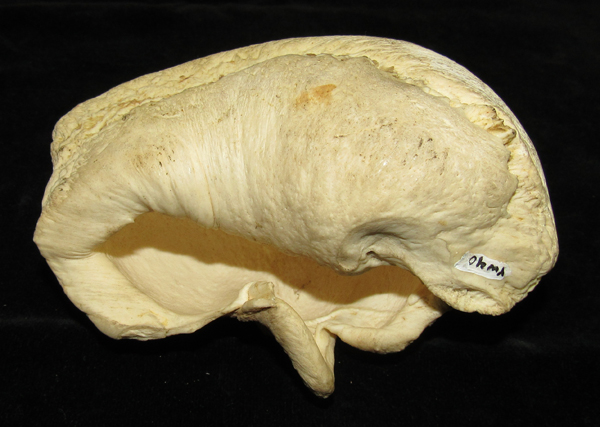 yw40
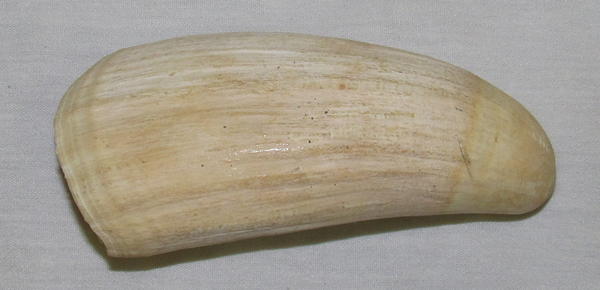 yw30a
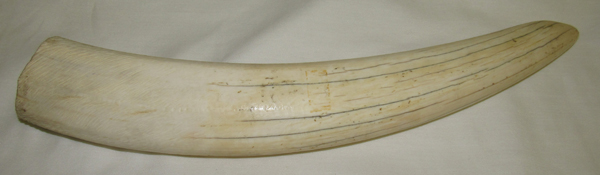 yw29-01a
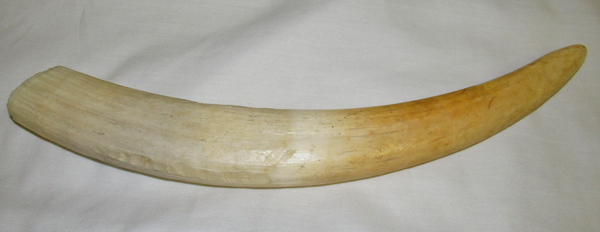 yw29-02a
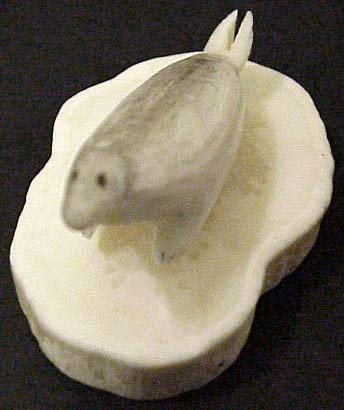 Full-size image
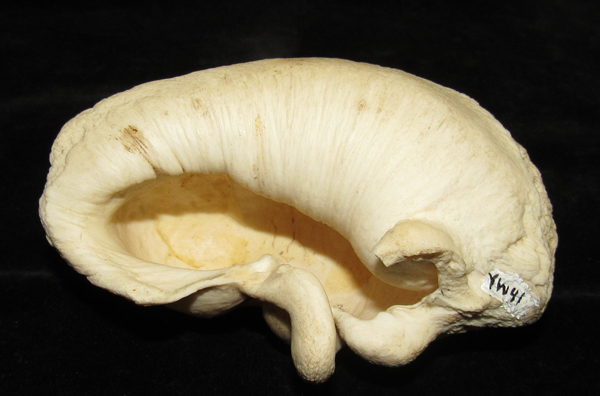 yw41
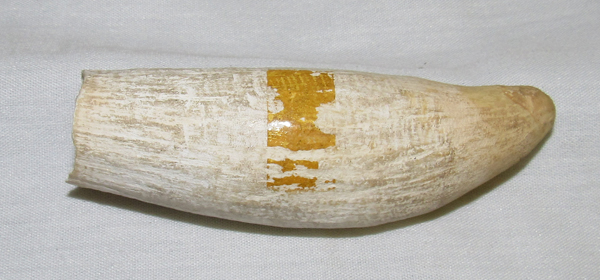 yw36a
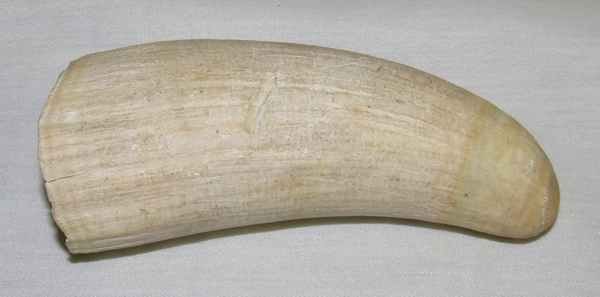 yw32a
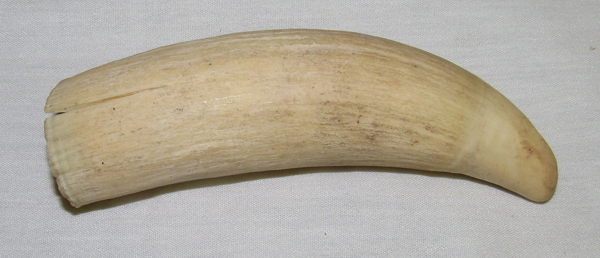 yw35a
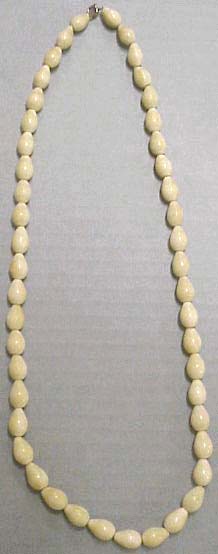 Full-size image
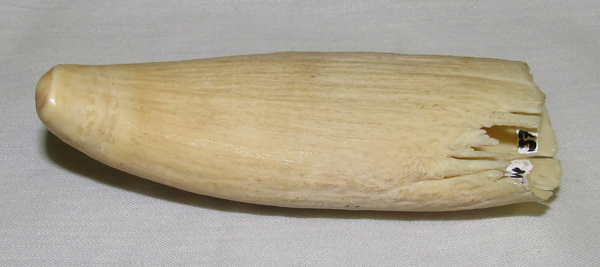 yw37a
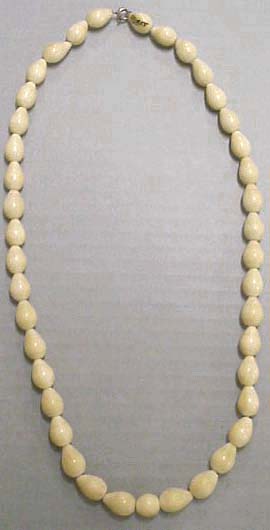 Full-size image
 mp173_1
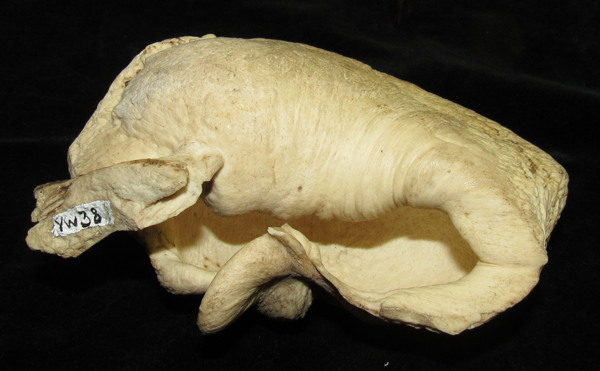 yw38
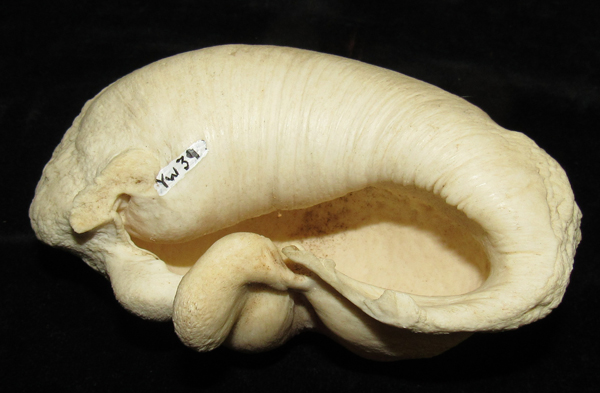 yw39
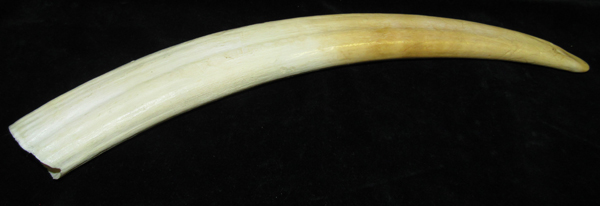 yw28
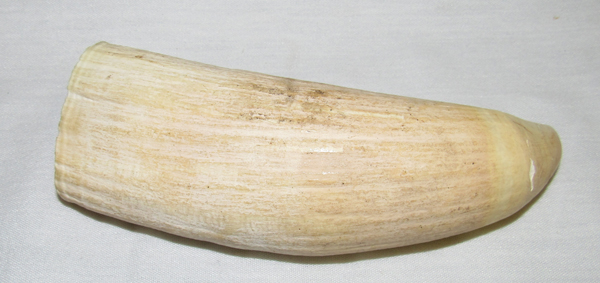 yw31a
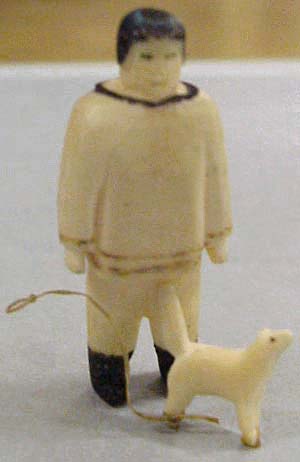 Full-size image
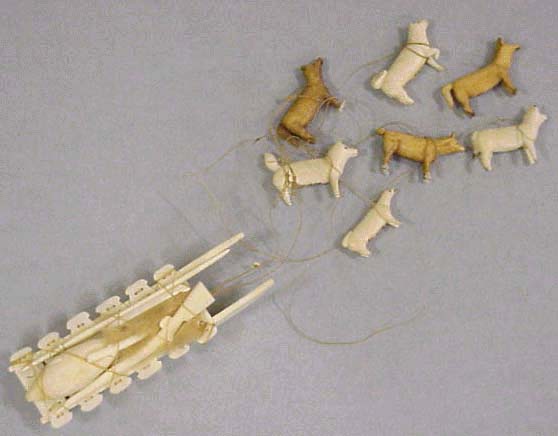 Full-size image
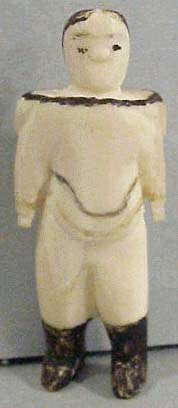 Full-size image
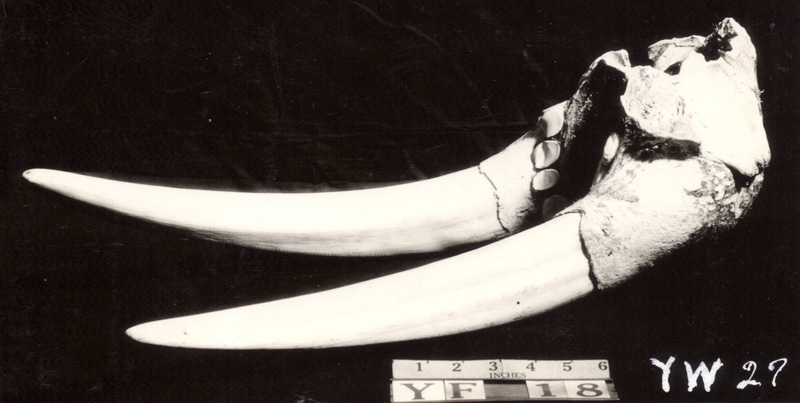 yw27
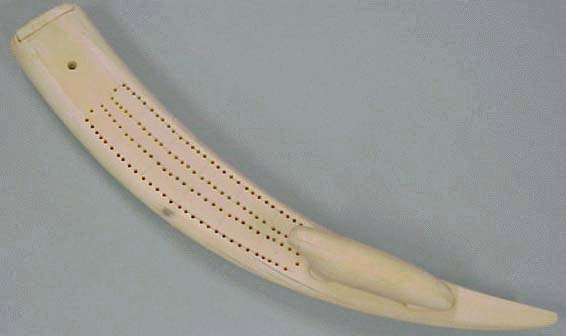 Full-size image
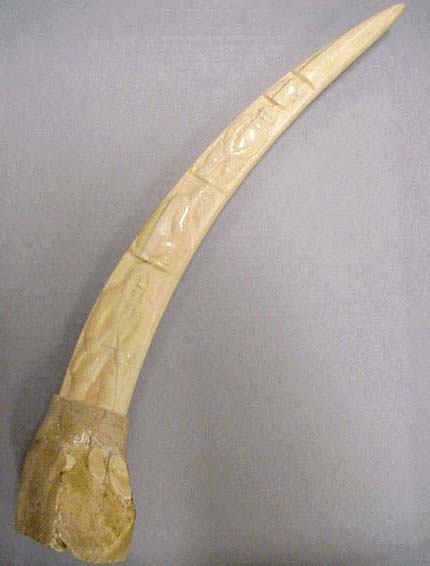 Full-size image
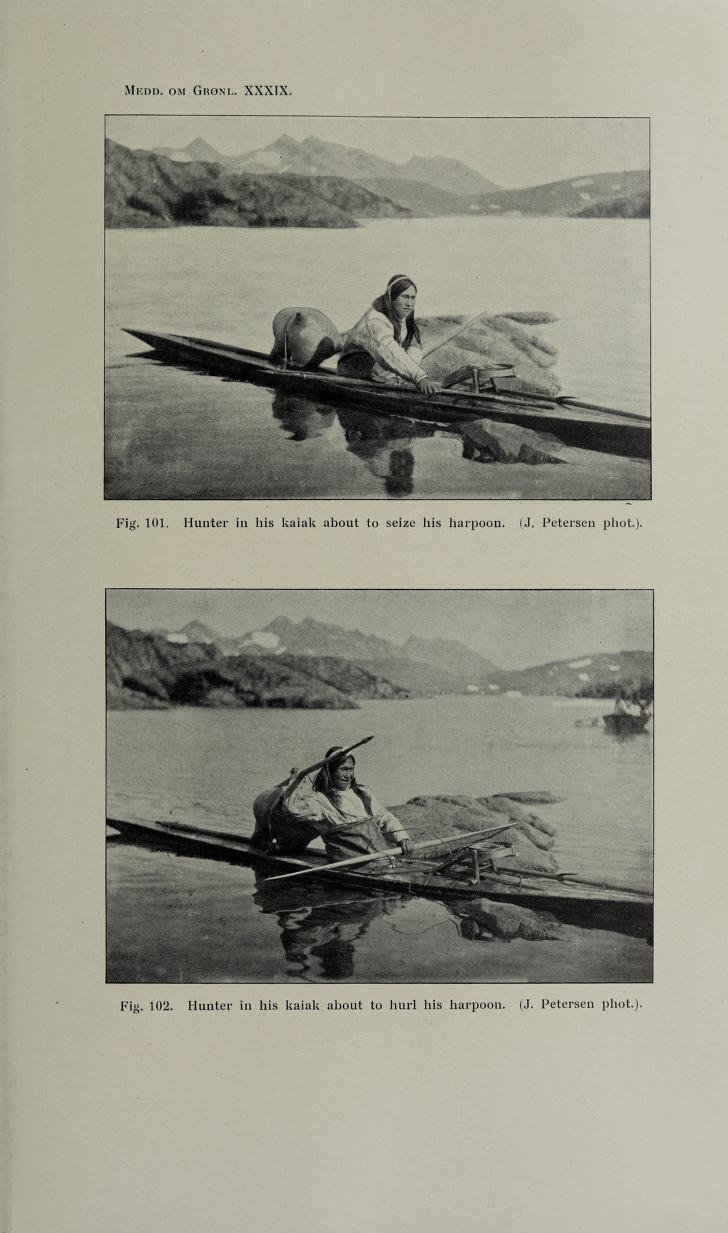 Kaiak stand in use
 85-41-29
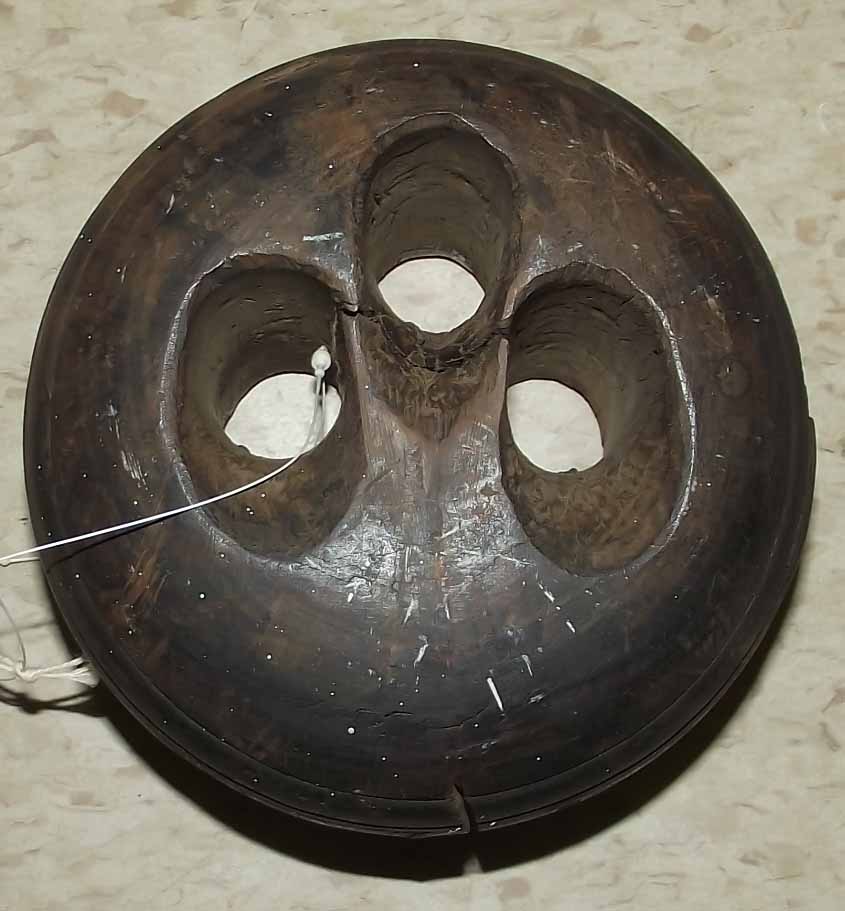 Full-size image
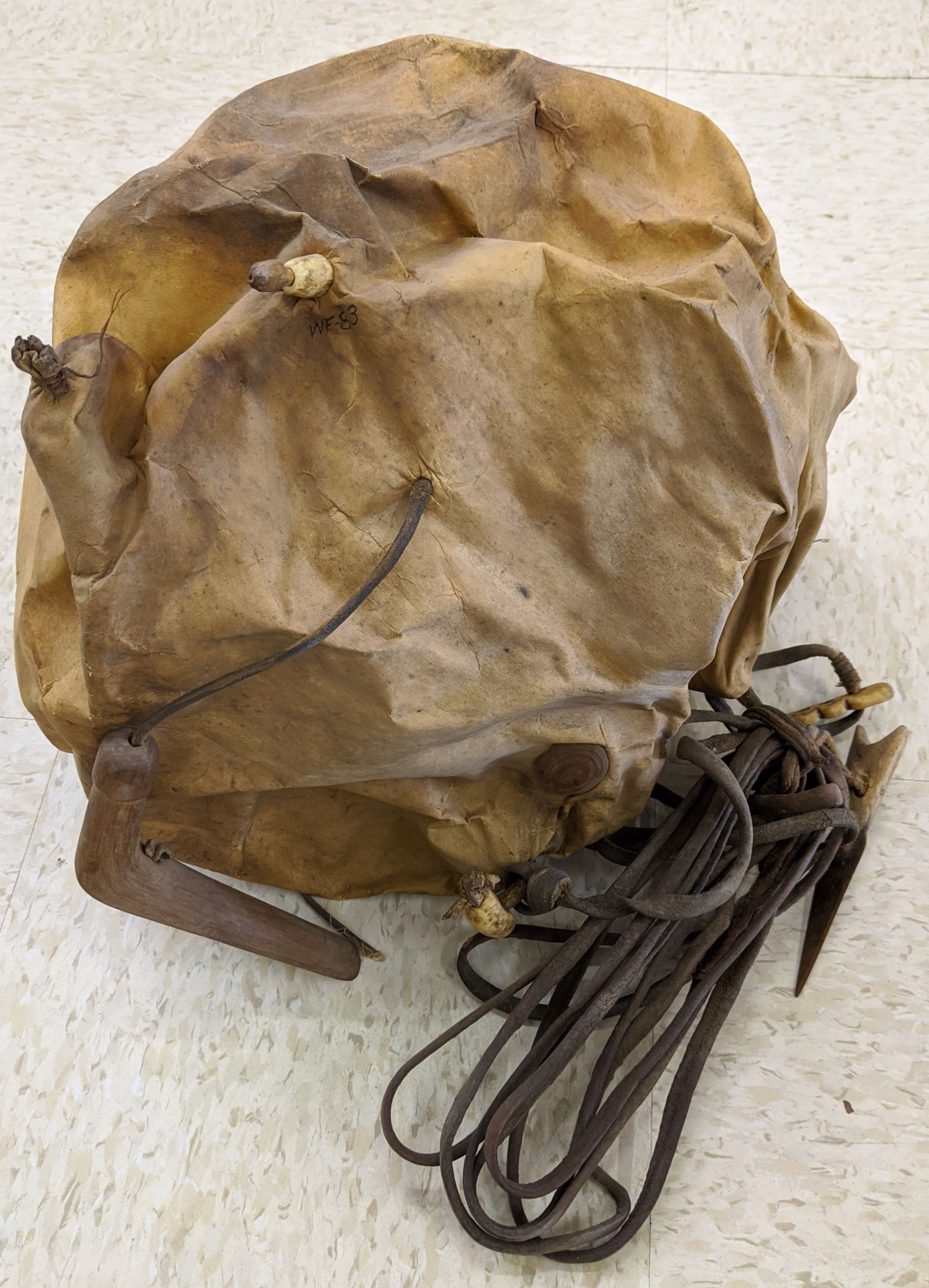 WF83
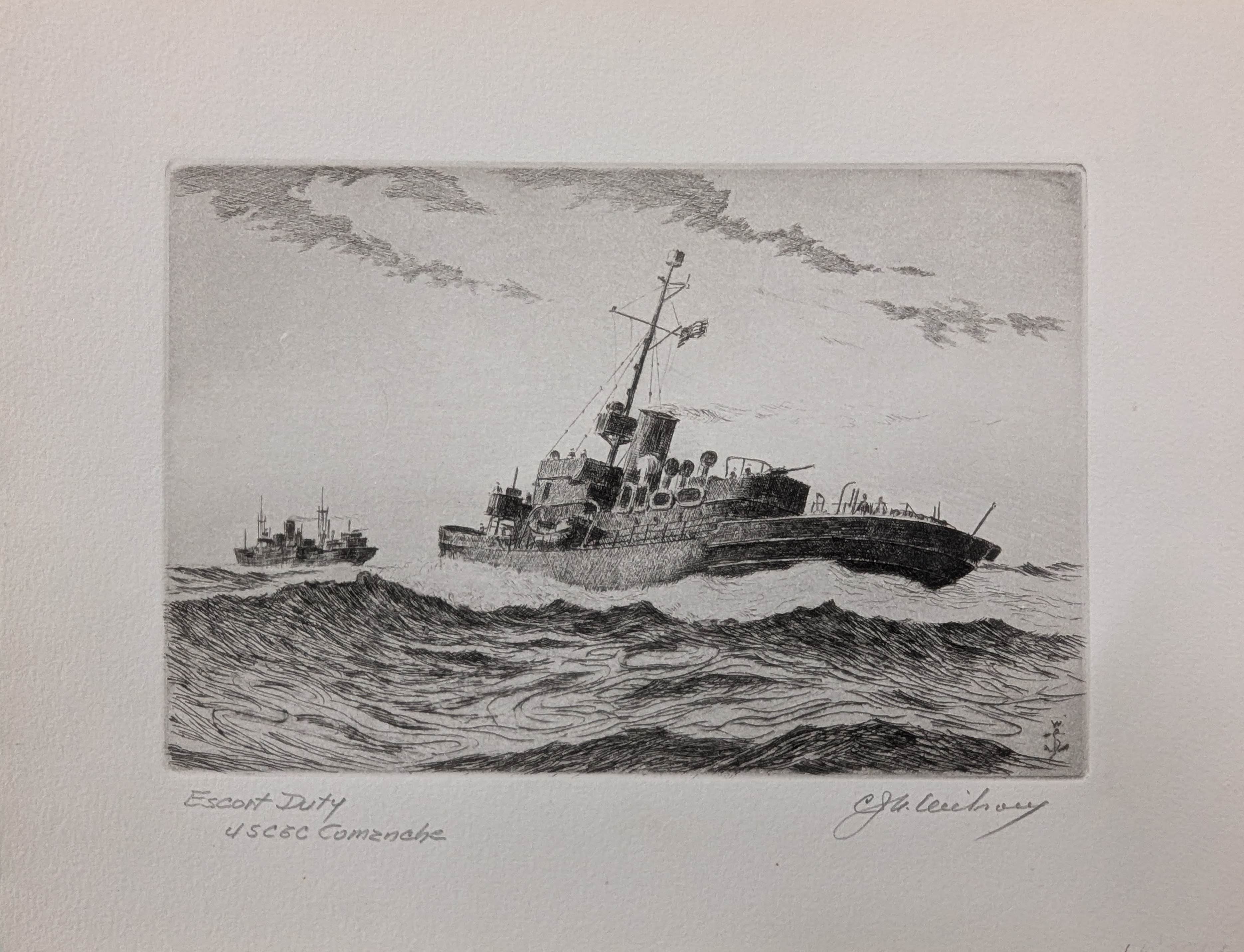 le3361_1